Phone:
+254 719 428 550
Physical address:
Information House, Hakati Road,
Nairobi, Kenya.

Phone:
+254 719 428 550
Physical address:
Information House, Hakati Road,
Nairobi, Kenya.
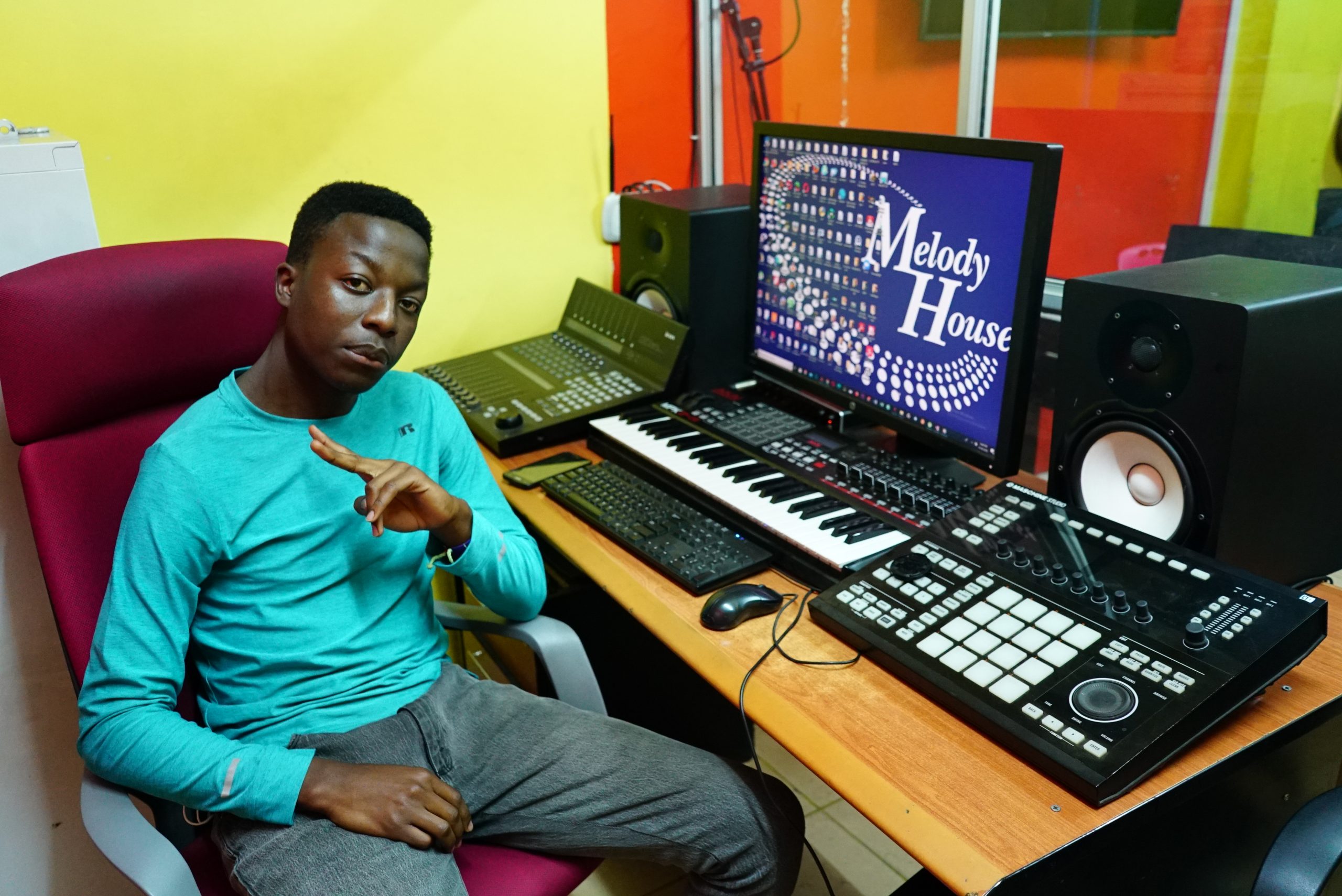
The dream of every aspiring artist in Kenya is to have a creative space where they can capture their ideas at any time of the night. In 2026, building a home studio in Nairobi has become more accessible than ever, thanks to advancements in mobile technology and affordable hardware. However, the abundance of choices can be overwhelming. For a beginner, the goal isn’t to buy the most expensive equipment available at Information House; it is to select a balanced “entry-level” chain that provides professional clarity without breaking the bank.
At the Music And Film Academy, we emphasize that while gear is important, the ear behind the machine is what truly matters. Most world-class hits in the Gengetone and Afropop scenes today started as rough demos in a modest home studio in Nairobi. This guide is designed to help you navigate the local market, avoid common purchasing traps, and build a setup that grows with your skills. If you find yourself struggling with the technical setup, our music production courses in Nairobi are specifically designed to help you master this gear in a matter of weeks.
Before you rush into the shops on Luthuli Avenue or River Road, you must understand the five pillars of a functional studio. A home studio in Nairobi requires a Computer, an Audio Interface, a Microphone, Studio Monitors or Headphones, and a MIDI Controller.
Your laptop or desktop is the most expensive part of your setup. In 2026, you don’t need a high-end Mac Pro to start. A PC or Mac with at least 16GB of RAM and an SSD (Solid State Drive) will handle most modern DAWs like FL Studio or Ableton Live. If you are on a tight budget, look for refurbished “Business Class” laptops which offer great stability for audio processing.
The interface converts your voice into digital data. For a beginner home studio in Nairobi, we recommend a simple 2-in/2-out interface.
In a home studio in Nairobi, the microphone is your most important tool for capturing vocals. Because most home rooms are not acoustically treated, choosing the right type of mic is critical.
These are great for capturing detail. The Audio-Technica AT2020 or the AKG P120 are fantastic budget options. However, be warned: these mics pick up everything, including the sound of “matatus” outside or your neighbor’s goat. At the Music And Film Academy, we teach our sound engineering students how to use “vocal shields” or “reflection filters” to minimize this room noise.
If your room is very noisy, a dynamic mic like the Shure SM58 is actually a better choice for your home studio in Nairobi. It is “less sensitive” to background noise and is virtually indestructible. Many professional Afropop vocals have been recorded on an SM58 in less-than-ideal rooms.
This is where many beginners make mistakes. You cannot mix music on standard “Bassy” consumer headphones or home theater speakers. You need a “flat” response.
For a quiet home studio in Nairobi, headphones are often the best first investment.
If you have a dedicated room, consider the PreSonus Eris 3.5 or Mackie CR3. While small, they provide a much more accurate representation of your mix than computer speakers. Remember, as we discussed in our guide on Nairobi humidity and gear, always keep your speakers away from damp walls to prevent mold growth on the cones.
The biggest enemy of a home studio in Nairobi is the “boxiness” of concrete walls. You don’t need expensive acoustic foam to start.
Your Digital Audio Workstation (DAW) is where the music happens. Most interfaces come with “Lite” versions of professional software.
Learning these programs can take years on your own, which is why many local producers choose to enroll in our Music Technology department to fast-track their skills and start earning from their studio sooner.
A common mistake when setting up a home studio in Nairobi is forgetting the small things that hold the studio together.
Once your home studio in Nairobi is up and running, the next step is monetization. Many producers start by recording local talent for a small fee. However, to compete with top-tier studios, you need more than just gear—you need a professional workflow.
Our sound engineering courses in Nairobi don’t just teach you how to plug in a mic; we teach you gain staging, advanced mixing, and the music business. Understanding how to register your works with MCSK and PRISK is just as important as knowing how to use a compressor.
The best home studio in Nairobi is the one that is actually used to create music. Don’t wait until you have a million shillings to start. Buy one interface, one mic, and start practicing today. As your skills grow, your gear will follow.
Institution: Music And Film Academy
Location: 2nd Flr, Rm s2, Information House, Hakati Rd, Nairobi.
Contact: +254 719 428 550
Website: musicandfilmacademy.ac.ke