Phone:
+254 719 428 550
Physical address:
Information House, Hakati Road,
Nairobi, Kenya.

Phone:
+254 719 428 550
Physical address:
Information House, Hakati Road,
Nairobi, Kenya.
As the creative economy evolves, staying ahead of music technology in Kenya is essential for any aspiring producer or sound engineer. In this department hub, we explore the intersection of art and gear. Whether you are looking for deep dives into the latest DAW updates, studio hardware reviews, or technical guides on signal flow, our Nairobi-based experts provide the technical insights you need to succeed. We bridge the gap between local talent and international standards.
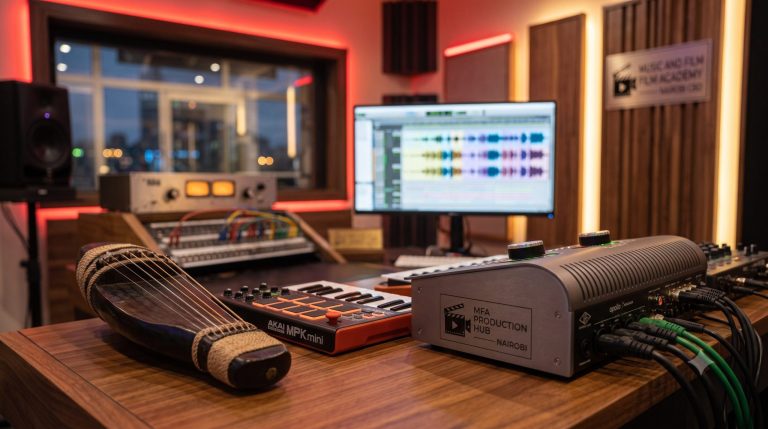
The contemporary landscape of music production in East Africa is undergoing a profound artistic revolution. For years, the commercial airwaves of Nairobi have been heavily shaped by dominant western-vetted electronic arrangements, transatlantic hip-hop beats, and imported West African pop loops.…
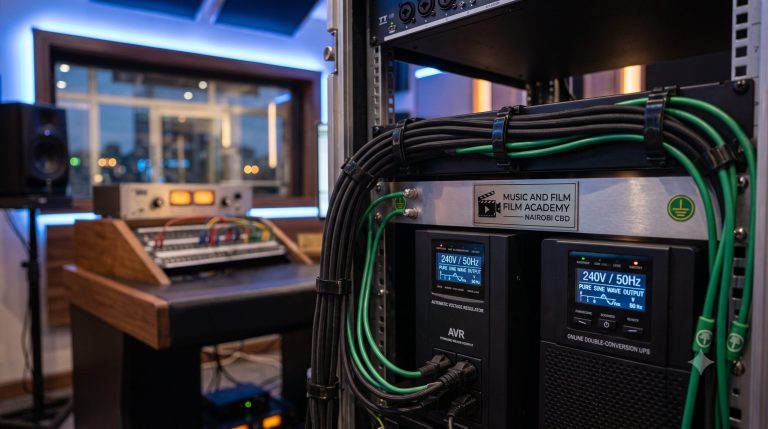
Every professional audio engineer and music studio owner across Kenya knows the unique sinking feeling that comes with an unexpected technical flaw in their monitoring system. You sit down at your mixing desk, power up a pristine set of high-end…
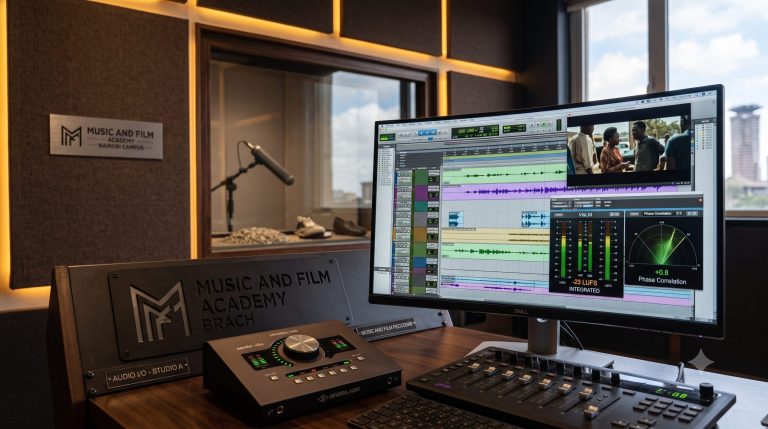
The post-production phase of filmmaking is where a cinematic story truly comes to life. While crisp cinematography and precise editing set the visual narrative, it is the auditory landscape—the subtle rustle of clothing, the clarity of a whispered confession, the…
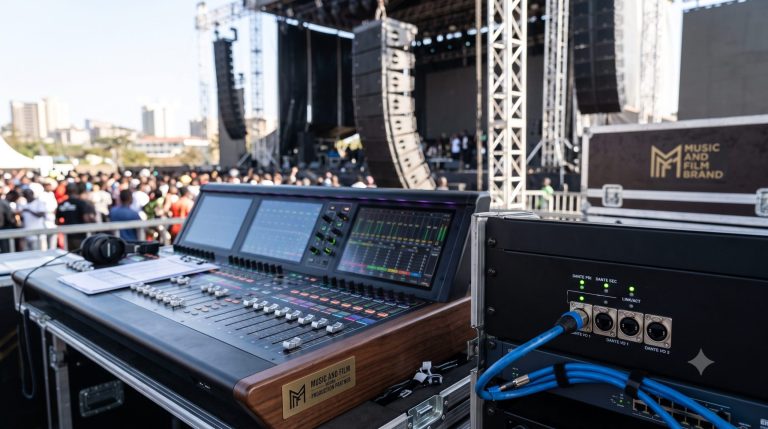
The live entertainment landscape in East Africa has undergone a massive technical evolution. Large-scale outdoor events—ranging from high-end corporate summits in conventional centers to multi-stage music festivals at the Carnivore Grounds or Ngong Racecourse—now demand uncompromising sonic fidelity, expansive routing…
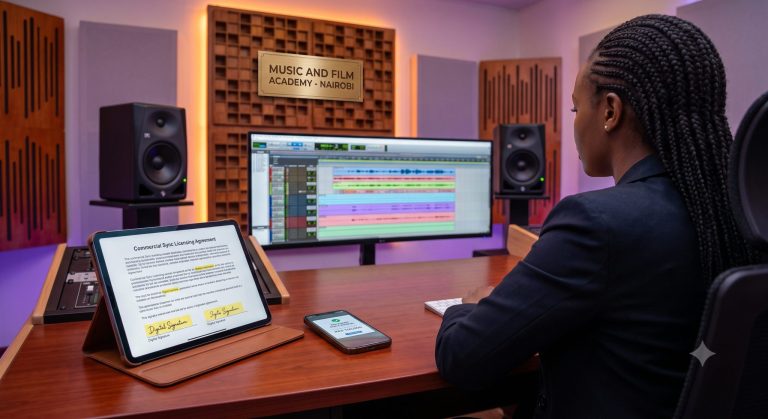
The digital transformation of the East African media ecosystem has created an incredibly lucrative avenue for independent music producers. While leasing hip-hop instrumentals or tracking street club tracks online provides an excellent foundation for secondary residual income, the highest visual…
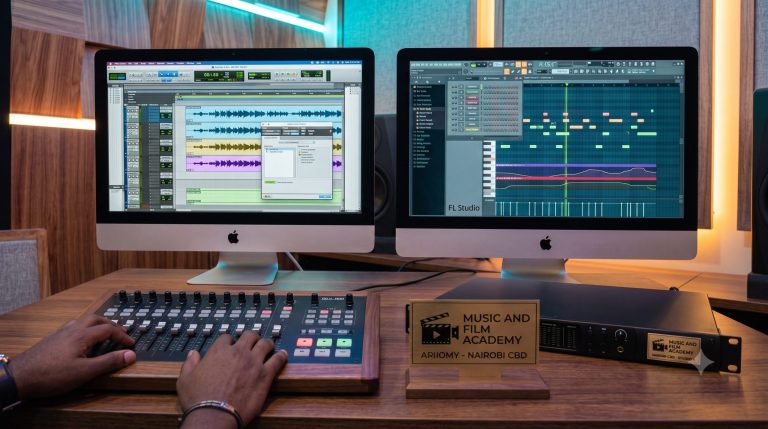
The global digitization of sound has turned the modern personal computer into the ultimate recording studio centerpiece. For upcoming music producers and recording engineers in Nairobi, the entry path into the creative economy is no longer blocked by the multi-million-shilling…
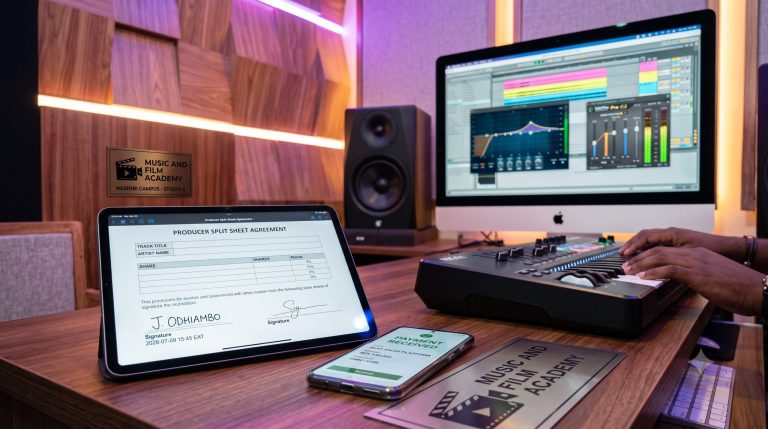
For decades, the path of a music producer in Nairobi was treated as a secondary hustle—a passion project confined to backroom studios in estates like Umoja, Kahawa West, or South B. But as we navigate the digital music economy of…
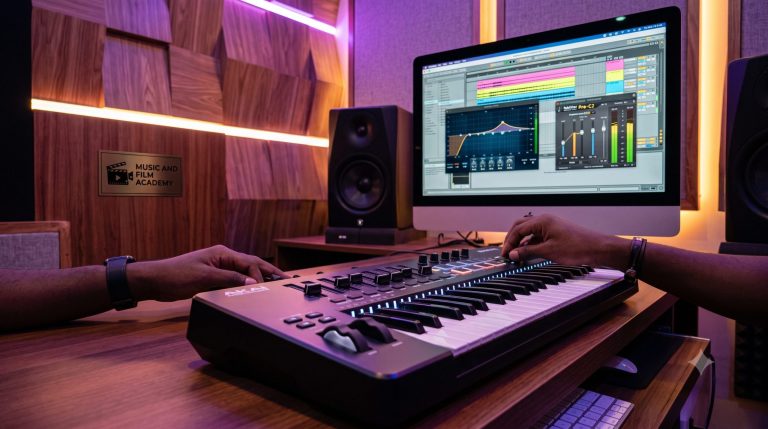
The meteoric rise of Gengetone, Arbantone, and localized Afropop styles has permanently redefined the musical landscape of East Africa. From the energetic sound systems pulsing through matatus across Nairobi to the packed dancefloors of Westlands, these urban tracks dominate the…
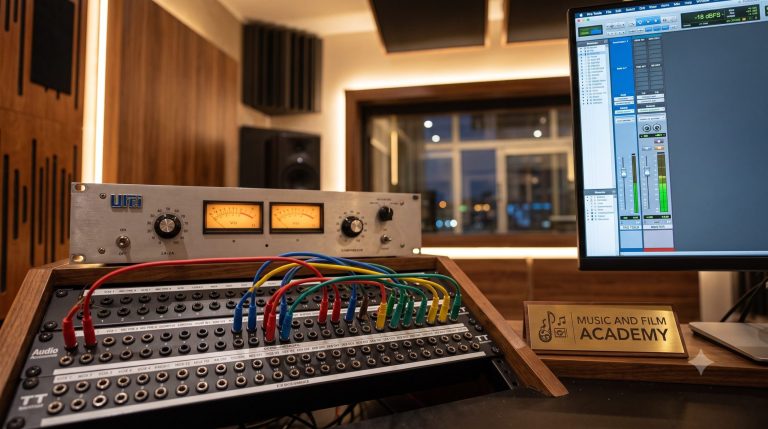
For decades, the image of a commercial recording space has been defined by a massive, multi-million-shilling analogue mixing console stretching across the control room. Many legacy media institutions and digital arts colleges across Nairobi lean heavily on this imagery for…
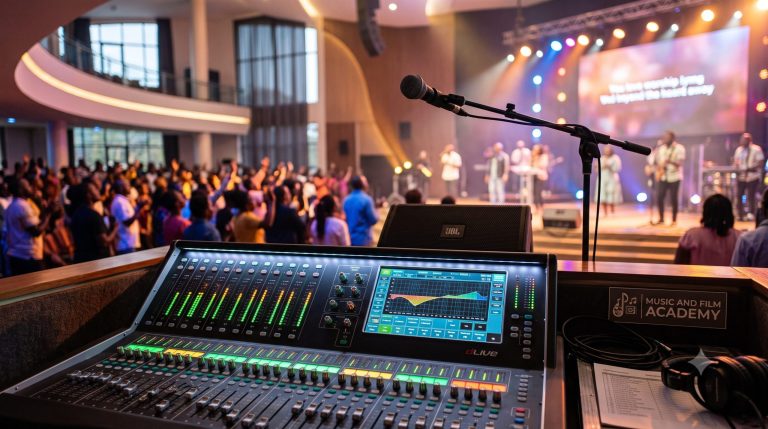
Every Sunday morning across Nairobi and its surrounding counties, millions of worshippers gather in various places of worship. From expansive cathedrals to high-energy community halls, the sound system plays a central role in delivering sermons, praise and worship sets, and…