Phone:
+254 719 428 550
Physical address:
Information House, Hakati Road,
Nairobi, Kenya.

Phone:
+254 719 428 550
Physical address:
Information House, Hakati Road,
Nairobi, Kenya.
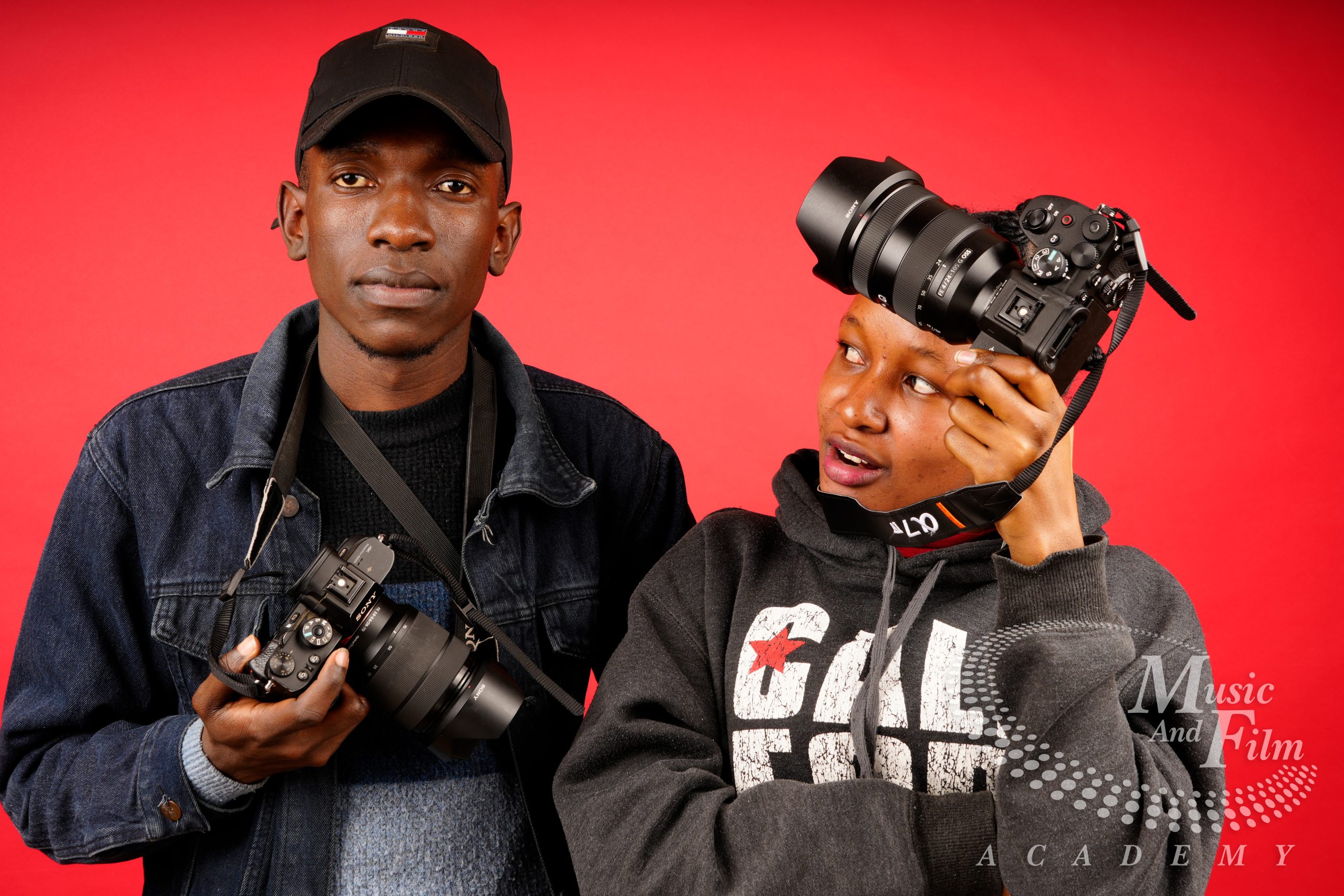
In the high-velocity digital landscape of 2026, social media has become the primary storefront for brands and creators across Nairobi. While the “shot on iPhone” movement has democratized content creation, there is a visible ceiling to what a mobile device can achieve. As the algorithm becomes more sophisticated and audience expectations rise, many creators are realizing that professional videography beats smartphone clips when it comes to long-term branding, emotional resonance, and commercial authority.
For students exploring our Videography Courses in Kenya, the first lesson is understanding that a camera is just a tool, but the right tool changes the nature of the story. Whether you are producing a high-energy transition reel for a fashion house in Westlands or a documentary-style brand story for a tech startup in the CBD, the technical gap between a phone and a cinema camera is the difference between a “like” and a conversion.
The most immediate reason why professional videography beats smartphone clips is physics. A smartphone, no matter how “Pro” it claims to be, is limited by its physical size.
A professional mirrorless or cinema camera, such as the Canon EOS R7, houses a sensor many times larger than that of a smartphone. This larger surface area allows for significantly better low-light performance—essential for Nairobi’s nightlife content—and a dynamic range that captures details in both the brightest highlights and the deepest shadows.
Smartphones use software to fake a blurred background (Portrait Mode). In professional video, this “bokeh” is created optically through lens glass and aperture. Optical blur looks natural and preserves the fine details of a subject’s hair or clothing, whereas software blur often creates “glitches” around the edges. When you master these optics in our School of Visual Arts, your content immediately gains a high-end, cinematic texture that a phone simply cannot replicate.
Ask any veteran at Information House, and they will tell you: “Audio is 50% of the viewing experience.” Smartphone microphones are omnidirectional—they pick up everything, including the wind on Kenyatta Avenue and the background noise of a busy cafe.
In a professional workflow, we separate the audio from the camera. Using external pre-amps and specialized microphones like the Sennheiser MKE 600 ensures that your subject’s voice is crisp and isolated. This audio clarity is a primary reason why professional videography beats smartphone clips for interviews, podcasts, and corporate reels. In our Videography Courses in Kenya, we teach you how to sync and mix professional audio to ensure your Reels sound as good as they look.
Most smartphone users shoot in “Auto,” which leads to “shutter jitter”—a choppy look caused by the phone trying to compensate for bright light.
Professional videography relies on the 180-Degree Shutter Rule. By manually setting your shutter speed to double your frame rate (e.g., shooting at 24fps with a 1/50s shutter), you create a natural motion blur that feels like a big-budget movie. This technical discipline is what gives professional content its “expensive” feel. Mastering this motion is a key component of the curriculum at the Music and Film Academy.
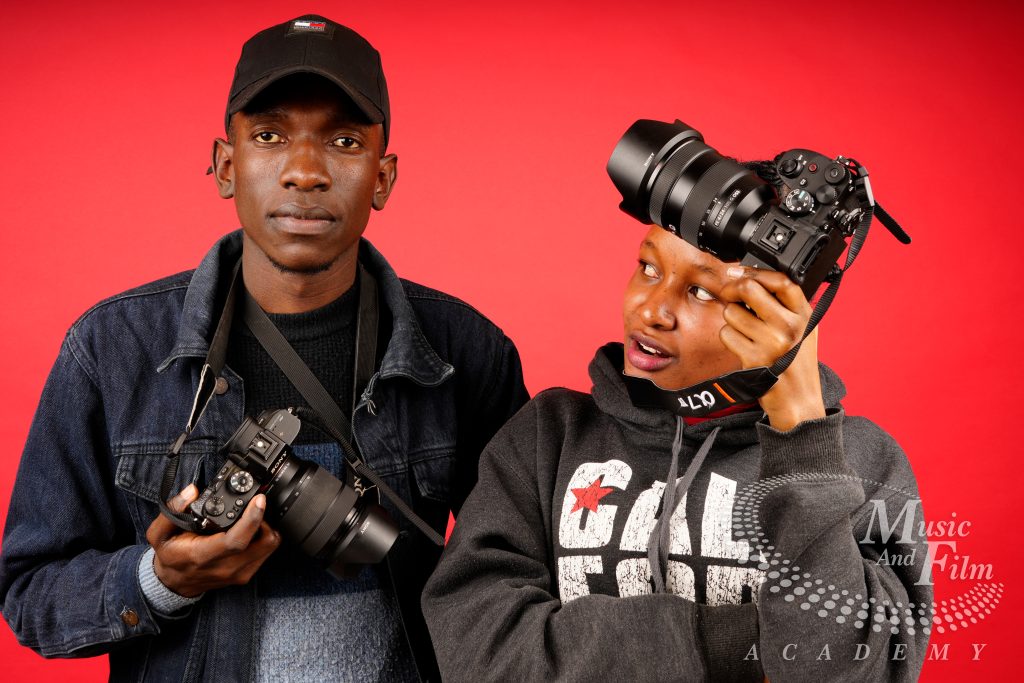
Smartphone clips are heavily “pre-processed.” The phone applies sharpening, saturation, and contrast the moment you hit record, leaving you with very little room to edit.
Professional cameras allow you to shoot in Log (Logarithmic) profiles. These files look flat and gray straight out of the camera, but they hold a massive amount of data. In post-production, this allows a colorist to craft a specific “look” or mood.
We cover advanced color grading using DaVinci Resolve in our specialized labs at Information House, giving our students a significant edge in the commercial market.
Beyond the technical specs, there is a psychological factor. When a client in Nairobi sees a production team arrive with stabilizers, monitors, and professional lighting, their perception of the brand’s value increases.
For creators looking to land high-paying corporate gigs, showing up with just a phone often leads to lower pay. Professional gear signals that you take the craft seriously. By investing in Videography Courses in Kenya, you aren’t just learning to use a camera; you are learning how to manage a professional set and command professional rates.
It is a myth that the algorithm only cares about “relatable” phone content. In 2026, platforms like Instagram and TikTok have evolved to prioritize high-retention content. Cinematic visuals and clear audio are proven to keep viewers watching longer.
When your content looks like a professional production, it stands out in a sea of average smartphone clips. This “thumb-stopping” power is why the most successful Kenyan influencers are now hiring professional cinematographers from the School of Visual Arts to handle their high-impact campaigns.
Smartphones are excellent for capturing memories, but professional cameras are built for creating legacies. If you want your social media presence to move from “casual” to “commercial,” you must bridge the technical gap. Understanding why professional videography beats smartphone clips is the first step toward becoming a leader in the Kenyan creative economy.
Are you ready to stop “posting” and start “producing”? At the Music and Film Academy, we provide the gear, the mentorship, and the industry connections to help you level up. Explore our comprehensive Videography Courses in Kenya and join us at Information House to start your cinematic journey today.