Phone:
+254 719 428 550
Physical address:
Information House, Hakati Road,
Nairobi, Kenya.

Phone:
+254 719 428 550
Physical address:
Information House, Hakati Road,
Nairobi, Kenya.
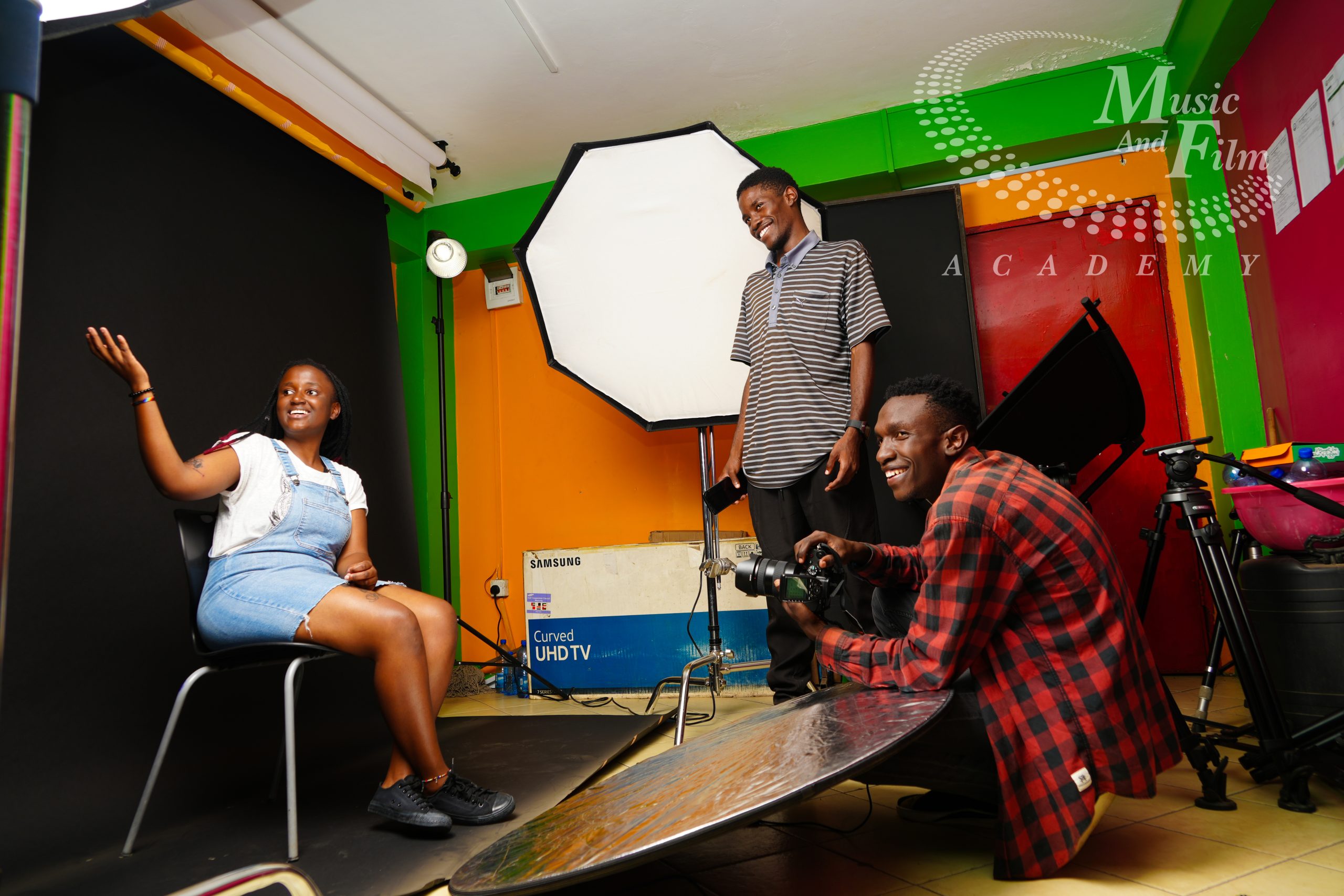
The explosive growth of the East African entertainment ecosystem has created an unprecedented demand for striking, premium visual content. For independent directors and local content creators, learning how to shoot high-end music videos without the backing of a major international record label is the ultimate industry superpower. The modern digital landscape has completely democratized distribution, meaning that independent artists are competing directly with multi-million shilling productions on global streaming charts. However, achieving that polished, luxurious screen presence doesn’t require an astronomical bank account. By shifting your focus from expensive gear acquisition to meticulous creative direction, strategic location management, and innovative staging techniques, you can regularly output cinematic visuals that command immense industry respect.
Navigating the vibrant landscape of Nairobi introduces unique cultural trends and production realities. Trending East African music videos no longer rely entirely on stale, predictable setups or massive crew arrays. Instead, local visionaries are dominating the digital space by utilizing bold color palettes, hyper-stylized set design, and unconventional camera placements. To break away from the aesthetic limitations of low-budget street shoots, you must look past basic camera settings, master the functional application of cheap practical lights, enforce strict location protocols, and learn to generate raw visual energy directly through deliberate human blocking and lens perspective shifts.
When you analyze high-charting music videos across Kenya, Tanzania, and Uganda, the common thread isn’t the specific brand of cinema camera used on set. The true differentiator is a deep commitment to stylized, conceptual world-building. Many independent directors make the mistake of renting an empty, generic location and shooting it flatly, expecting the performer’s energy to carry the entire weight of the frame. To elevate your visual texture, you must treat your background environment as an active, storytelling element.
Creative set design allows you to completely control the visual narrative while keeping your overhead costs incredibly low. Instead of renting expensive commercial sound stages, look for affordable spaces with interesting textures—such as abandoned warehouses in Industrial Area, raw brick walls, or vintage residential spaces—and transform them using distinct props and paint treatments. Introduce bold, monochromatic color blocks that contrast sharply with your artist’s wardrobe. By incorporating simple elements like hanging plastic sheets, geometric mirrors, or custom fabric backdrops, you break up flat surfaces and inject high-end three-dimensional depth directly into your mid-shots.
Securing the perfect visual backdrop inside Nairobi requires balancing artistic ambition with rigorous operational safety. Local directors often discover incredible, gritty locations that match the tone of a hip-hop or Afro-fusion track, only to face massive security issues, community disruptions, or legal shutdowns mid-shoot because they failed to establish proper production management protocols.
When executing your location scouting routine, prioritize these core safety and administrative factors:
The hallmark of a high-budget commercial production is rich, intentional lighting separation. Traditionally, achieving this look required massive, power-hungry industrial fixtures that demanded expensive generator trucks and large teams of grips to manage. Today, digital camera sensors possess exceptional low-light capabilities, allowing you to build high-end depth using cheap practical lights and creative DIY configurations.
Instead of relying on standard overhead house lights, build your entire aesthetic around portable, budget-friendly LED tube lights and localized neon fixtures. These lightweight tubes can be taped directly to walls, hidden behind set pieces, or placed natively inside the frame as graphic design elements. Set your camera’s white balance to a cool daylight setting, and use warm practical lamps or cheap gelled accent lights to illuminate the background. This stark color contrast creates instant visual separation, making your frames look incredibly cinematic. To soften harsh shadows on your artist’s face, bounce an affordable utility light off a large white sheet or a piece of inexpensive foam board, generating a beautiful, soft key light source that preserves rich skin tones perfectly.
A common misconception among emerging videographers is that smooth, sweeping camera movement requires heavy motorized stabilizers or complex crane systems. While expensive gimbal rigs have their place, relying on them too heavily often results in floaty, uninspired compositions that lack genuine rhythm and emotional pacing. You can generate immense visual impact and pacing variations purely through smart movement patterns and deliberate lens choices.
Instead of keeping your camera perfectly level and floating continuously, mount your camera housing onto a sturdy, affordable tripod and execute sharp, stylized whips, rapid pans, and Dutch angle tilts timed perfectly to the beat of the song. For high-energy performance scenes, shoot handheld using a slightly wider lens, but position yourself mere inches away from the artist. Move your body physically in tandem with the performer’s choreography, pushing in dynamically during verses and pulling back sharply on major snare hits. This interactive movement pattern draws the online viewer directly into the physical space, generating a raw, visceral energy that feels intentionally stylized rather than uncomfortably shaky.
Mastering low-budget set layouts, DIY lighting setups, and handheld camera mechanics provides a brilliant foundation for real-world resilience, but long-term commercial growth requires mastering standard production structures. While learning how to maximize cheap gear is an invaluable entrepreneurial skill, breaking into mainstream agency campaigns or high-paying international music video networks requires fluency with high-end digital media tools. To truly professionalize your visual style, you must immerse yourself in an educational environment that bridges the gap between indie hacking and high-end studio networks.
Enrolling in comprehensive film production courses in kenya provides the ultimate industrial framework to scale your creative direction to international standards. Advanced, hands-on media programs move students past basic smartphone productions and place actual high-end cinema packages directly into your hands so your student reels look like major commercial budgets. By executing complex music video assignments inside dedicated academy studios under the direct supervision of veteran industry mentors, you rapidly master advanced videography courses layouts, learn how to manage large lighting grids, coordinate multi-camera sets safely, and run comprehensive technical crews with absolute professional authority.
Furthermore, a comprehensive academy education ensures you master the entire creative pipeline from initial concept mapping to final professional delivery. Beyond learning how to operate top-tier camera bodies on set, you must master the intricacies of the modern digital darkroom, using advanced video editing courses tools to manipulate pacing, configure complex multi-cam sync timelines, and apply stylized color grading palettes that match global broadcast standards. Whether your ultimate professional goal is to direct viral music videos for regional megastars, manage an independent commercial production company, or work as a lead creative director for global media agencies, formal training provides the accredited validation and elite portfolio assets required to command premium rates across the modern media economy.
The East African creative economy is expanding at an exponential rate, and the line separating independent passion projects from high-end commercial campaigns has completely vanished. Production houses, corporate brands, and major musical artists are actively seeking visual directors who possess the technical resourcefulness to maximize tight budgets alongside the formal credentials required to lead large-scale professional sets safely.
By prioritizing strategic set design, mastering cheap practical lights, and learning to generate cinematic energy through inventive camera blocking, you instantly separate your brand from the sea of standard content creators. Commit to mastering your craft, refine your visual voice, and back your raw talent with rigorous, industry-accredited training. Explore our range of specialized photography and videography courses in kenya or dive into a dedicated creative track through our film production schools in kenya at the Music and Film Academy—conveniently located at Information House in the Nairobi CBD—to gain hands-on access to premium equipment cages, professional studio bays, and elite industry mentorship designed to launch your commercial media career with absolute confidence.