Phone:
+254 719 428 550
Physical address:
Information House, Hakati Road,
Nairobi, Kenya.

Phone:
+254 719 428 550
Physical address:
Information House, Hakati Road,
Nairobi, Kenya.
Deepen your technical knowledge with our guide to sound engineering techniques. This category is dedicated to the science of sound, covering signal flow, microphone placement, and live sound reinforcement. Designed to complement our professional sound engineering certification, these articles provide the “how-to” for managing complex studio and live environments in the 254 creative scene.

In Kenya, a sound engineering course costs between KES 45,000 for a 3-month short course and KES 45,000 per term for comprehensive 6-month Foundation, 1-year Certificate, and 2-year Diploma tracks at specialized vocational academies. At broader hybrid media institutions, tuition…

A sound engineer in Kenya is paid between KES 30,000 and KES 180,000+ per month on average, depending on their level of experience, employment model (salaried vs. freelance), and industry specialization. Junior audio technicians starting in local studios earn between…

The specific KCSE subjects and mean grade you need to become a sound engineer in Kenya vary significantly based on your preferred educational pathway: a university academic degree requires a minimum KCSE mean grade of C+ (plus) with mandatory credits…

To become a professional sound engineer in Kenya, you need either a vocational qualification (a 3-month Short Course, 6-month Foundation, 1-year TVETA Certificate, or 2-year Pearson BTEC Diploma in Sound Engineering) or an academic qualification (a 4-year Bachelor of Music…

The top institutions offering sound engineering courses in Kenya include Music and Film Academy (specialized practical audio & live sound), Africa Digital Media Institute (ADMI) (hybrid multimedia diploma), Technical University of Kenya (TUK), and Kenyatta University (KU) (academic degree programs).…
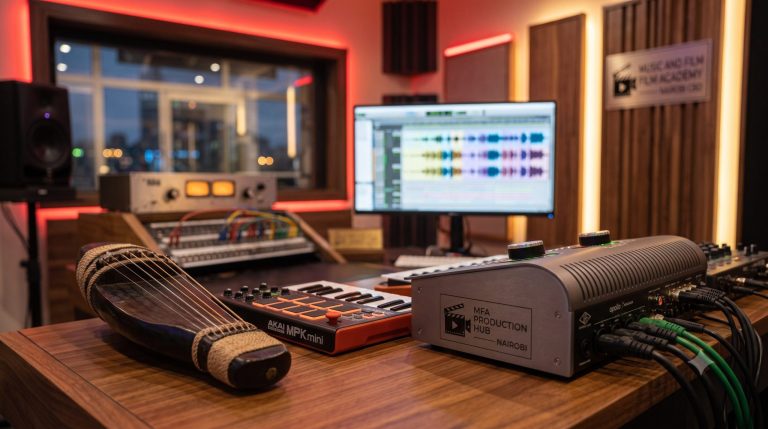
The contemporary landscape of music production in East Africa is undergoing a profound artistic revolution. For years, the commercial airwaves of Nairobi have been heavily shaped by dominant western-vetted electronic arrangements, transatlantic hip-hop beats, and imported West African pop loops.…
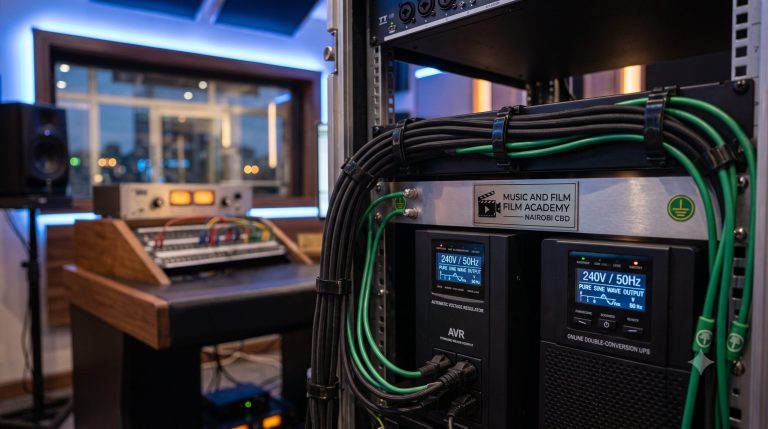
Every professional audio engineer and music studio owner across Kenya knows the unique sinking feeling that comes with an unexpected technical flaw in their monitoring system. You sit down at your mixing desk, power up a pristine set of high-end…
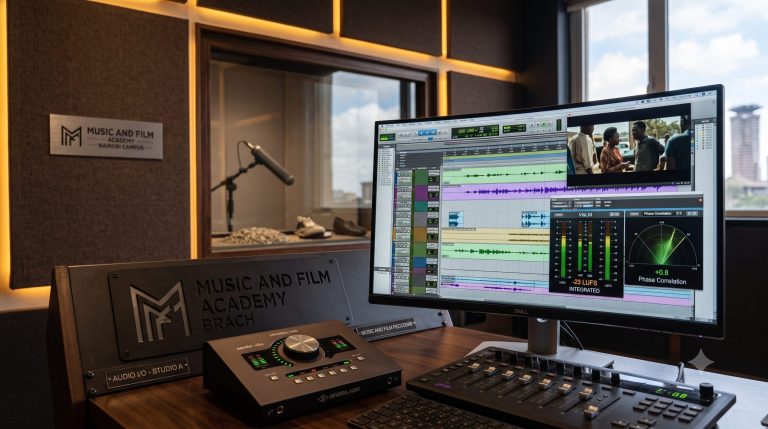
The post-production phase of filmmaking is where a cinematic story truly comes to life. While crisp cinematography and precise editing set the visual narrative, it is the auditory landscape—the subtle rustle of clothing, the clarity of a whispered confession, the…
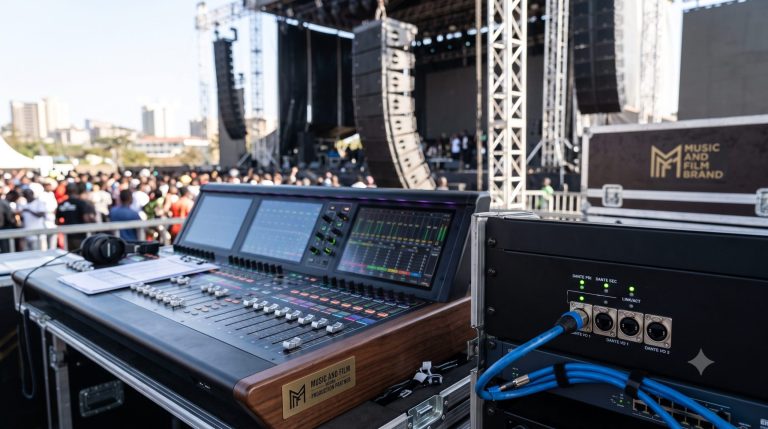
The live entertainment landscape in East Africa has undergone a massive technical evolution. Large-scale outdoor events—ranging from high-end corporate summits in conventional centers to multi-stage music festivals at the Carnivore Grounds or Ngong Racecourse—now demand uncompromising sonic fidelity, expansive routing…
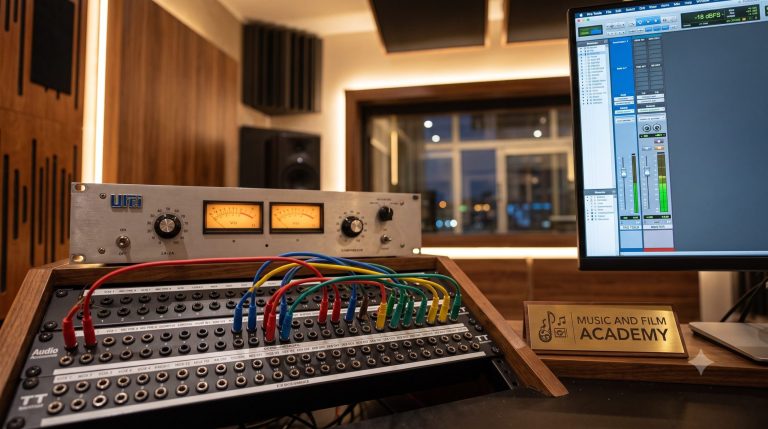
For decades, the image of a commercial recording space has been defined by a massive, multi-million-shilling analogue mixing console stretching across the control room. Many legacy media institutions and digital arts colleges across Nairobi lean heavily on this imagery for…