Phone:
+254 719 428 550
Physical address:
Information House, Hakati Road,
Nairobi, Kenya.

Phone:
+254 719 428 550
Physical address:
Information House, Hakati Road,
Nairobi, Kenya.
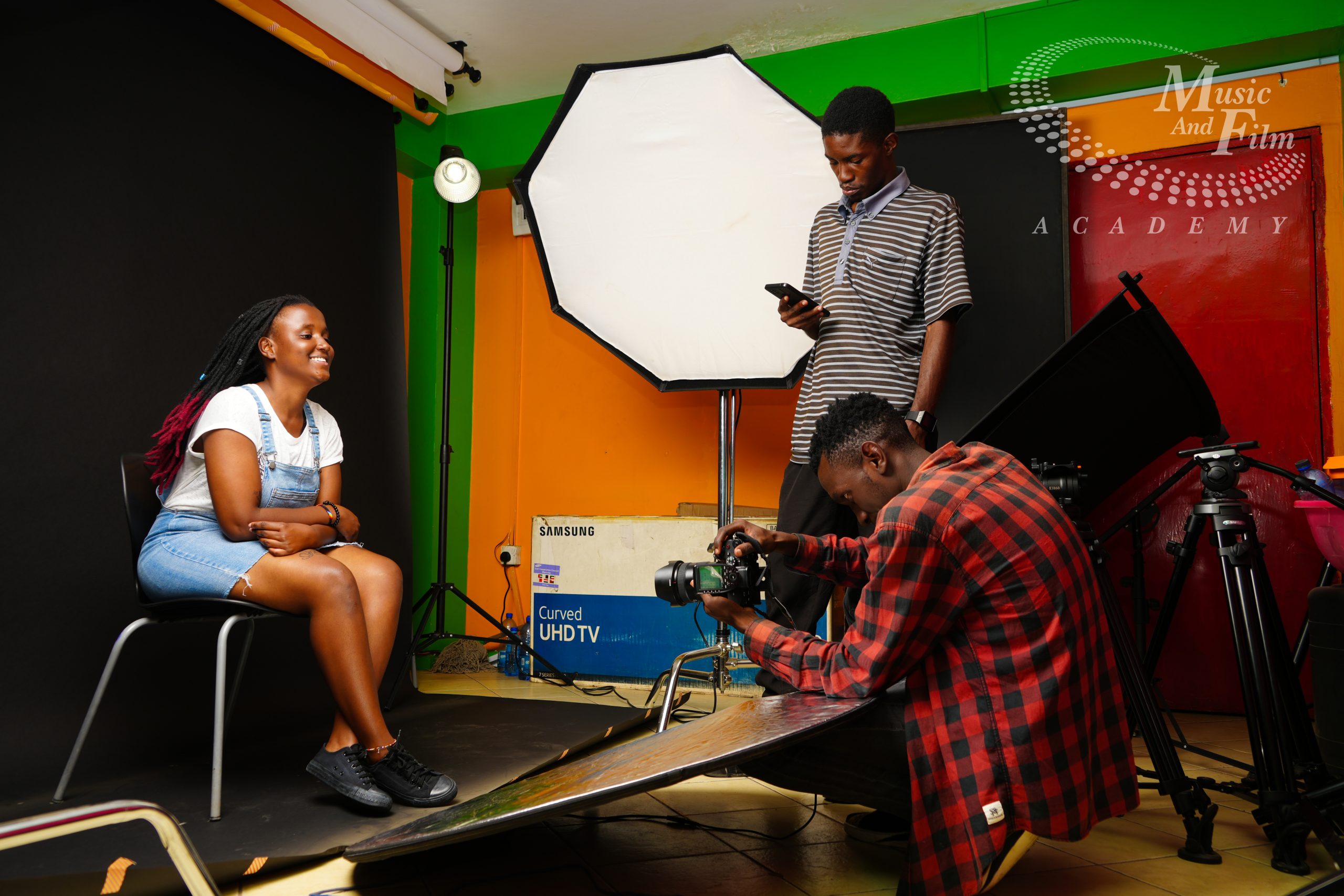
The visual media industry in East Africa has exploded. From corporate brand documentaries in the Nairobi financial district to breathtaking safari fashion shoots in the Maasai Mara, high-quality imagery is the lifeblood of modern commerce. Yet, if you are a creative standing at the threshold of this industry, you face a major dilemma. You are trying to evaluate a photography vs videography career, wondering which path will best fulfill your creative vision, provide long-term job security, and maximize your commercial earning potential.
Many beginners assume that because both fields utilize modern mirrorless cameras, lenses, and lighting principles, they are essentially the same job. This is a massive misconception. While the entry points overlap, the day-to-day realities, technical execution, post-production timelines, and storytelling frameworks are miles apart. Choosing the wrong path can lead to immense frustration, creative stagnation, and expensive gear investments that don’t match your workflow.
This comprehensive guide breaks down the core structural differences between both fields, helping you make an informed decision for your professional future.
The absolute fundamental difference between a photography vs videography career lies in how you manipulate time.
A photographer is a hunter of the singular, perfect slice of time. Your entire creative universe is condensed into a fraction of a second—often measured in speeds like 1/250 or 1/1000 of a second. Within that microscopic window, you must balance composition, exposure, emotional resonance, and geometry.
If you miss the exact micro-expression on a model’s face or the precise peak of an athlete’s jump, it is gone forever. The photographer’s art is subtractive; you strip away the continuous noise of life to isolate a single, iconic frame that forces the viewer to pause and look deeply.
A videographer or filmmaker operates in a fluid timeline. You are not hunting for a isolated frame; you are constructing a sensory experience that unfolds over minutes or hours. Your world is governed by a strict relationship between your camera frame rate and your shutter speed—typically locking your motion blur to the 180-degree shutter rule (for instance, shooting at 24 frames per second with a fixed shutter speed of 1/50 of a second).
A videographer must think about what happens before the subject speaks, while they speak, and after they exit the frame. You have to capture how a scene sounds, how the camera moves through space, and how multiple distinct shots will piece together in an editing suite to create a logical emotional arc. It is a highly additive, multi-layered discipline.
While modern hybrid cameras can capture both stunning stills and broadcast-quality video, the actual support gear required to run a professional business differs heavily between these paths.
+------------------------------------------------------------------------+
|                      GEAR INFRASTRUCTURE COMPARISON                    |
+------------------------------------------------------------------------+
|                                                                        |
|   [ PHOTOGRAPHY GEAR CAPABILITIES ]                                    |
|   - High-megapixel sensors for large prints                            |
|   - High-speed strobe lights & modifiers                              |
|   - Minimal camera rigging (highly mobile)                             |
|                                                                        |
|   [ VIDEOGRAPHY GEAR CAPABILITIES ]                                    |
|   - Continuous LED lights & power banks                                |
|   - External audio recorders & wireless mics                           |
|   - Heavy stabilizers, cages, and follow-focus rigs                    |
|                                                                        |
+------------------------------------------------------------------------+
For a professional photographer, resolution and lighting control are paramount. You need high-megapixel camera sensors to ensure images can be cropped heavily or printed on massive roadside billboards across Kenya. Your lighting setup relies on high-speed strobes and speedlights that emit an instantaneous, powerful flash of light to freeze motion and overpower the sun.
Because you aren’t capturing continuous movement, your camera body remains relatively light and mobile. You can jump, squat, and reposition yourself quickly without worrying about camera shake or microphone cables.
For a professional videographer, the camera body is often just the core of a much larger, complex mechanical puzzle. Because handheld camera movement can look shaky and amateurish, you rely heavily on fluid-head tripods, motorized gimbals, or shoulder rigs. Your lighting must be continuous—meaning your lamps stay on at full power throughout the entire shoot, which demands heavy battery packs and silent cooling systems.
Most importantly, a videographer must master audio acquisition. A stunning video with terrible sound is completely unwatchable. This means your kit must expand to include wireless lapel microphones, shotgun mics, external field recorders, and monitoring headphones. Your pack is heavier, setup times are longer, and your physical technical management on set is far more complex.
The work does not end when you turn off the camera switch. In fact, for both paths, the true magic happens behind a computer monitor. However, the time commitment and technical strain on your computer hardware vary dramatically.
Photographers generally work with RAW image files inside applications like Adobe Lightroom or Capture One. The editing process centers on color correction, exposure balancing, dodging and burning, and localized blemish removal.
While high-end commercial beauty retouching or complex digital compositing in Adobe Photoshop can take hours per image, a standard event photographer can cull and color-correct hundreds of event photos within a single afternoon. The feedback loop is fast, allowing you to deliver finished portfolios to clients with relatively quick turnaround times.
Videography post-production is an intensive, multi-phase marathon that requires a powerful computer workstation capable of processing massive video data streams (such as 10-bit ProRes or RAW video). Your post-production workflow splits into several demanding chapters:
A five-minute corporate promotional video can easily demand 20 to 40 hours of focused post-production work. If you lack patience or dislike sitting in front of editing software for days on end, a videography-heavy track can quickly become overwhelming.
When evaluating a photography vs videography career, you must analyze how money flows through the regional creative marketplace. Both tracks offer incredible monetization opportunities, but they target different corporate structures and budget scales.
| Creative Avenue | Typical Photography Revenue Streams | Typical Videography Revenue Streams |
| Corporate B2B | Executive portraits, product catalogs, annual report imagery, real estate portfolios. | High-budget TV commercials, brand origin documentaries, social media reels campaigns. |
| Consumer Retail | Weddings, family portraits, newborn shoots, personal branding portfolios. | Wedding highlights films, documentary love stories, personal legacy videos. |
| Digital Media | Photojournalism assignments, editorial fashion lookbooks, stock agencies. | Short-form YouTube production, music videos, streaming platform documentaries. |
While an exceptional commercial photographer can command premium rates for a single billboard advertising shoot, the average market budget trends significantly higher for video production.
Corporations recognize that video drives higher engagement rates on digital platforms than static images. Because video requires a larger crew (directors, sound recordists, gaffers, editors), corporate clients are accustomed to paying larger budget allocations for video projects. If your primary goal is to secure high-ticket corporate retainers and lead large production teams, video holds a distinct financial advantage.
If you are still unsure which side of the lens fits your personality, ask yourself these diagnostic questions:
No matter which path you select, the modern creative economy does not reward self-taught guesswork when high-budget client contracts are on the line. To compete effectively in the regional market, you must transition from an amateur hobbyist to a technically precise media professional. Clients expect you to know exactly how to handle complex lighting scenarios, manage data backups, and deliver predictable results under tight deadlines.
Trying to master these technical disciplines by watching scattered online videos often leaves you with massive gaps in your practical knowledge. You need structured, hands-on field experience inside professional environments where you can experiment, make mistakes, and receive direct feedback from industry veterans.
If your passion aligns with freezing iconic moments, you should enroll in comprehensive, hands-on photography Courses. Attending a dedicated photography school gives you immediate access to studio lighting grids, professional modifiers, and diverse model portfolios.
At the Music And Film Academy, our visual arts curriculum bypasses dry academic textbook lecturing. We place students directly inside fully operational photography bays from week one, ensuring you learn studio flash synchronization, advanced portraiture rules, and high-end digital retouching workflows through intense, practical application.
If you choose to build your career around timelines, sound design, and moving frames, explore specialized videography Courses designed around modern cinematic standards. Training inside a fully equipped videography school allows you to master complex multi-camera shoots, wireless audio capture setups, and color grading suites.
Our hands-on videography courses in kenya are built specifically to prepare you for high-pressure production environments, ensuring you possess a diverse, professional video showreel before entering the commercial job market.
As technology continues to evolve, the demand for “hybrid creators”—professionals who can deliver both high-end still photos and crisp video content during a single assignment—is skyrocketing. Small-scale brands and mid-tier corporate businesses love hiring hybrid creators because it significantly cuts down their production crew costs.
However, trying to capture both high-end stills and cinematic video at the exact same event can be an operational nightmare if you do not have a clear strategy. To survive as a hybrid creator, you must learn to segment your production mindsets:
The creative debate between a photography vs videography career shouldn’t freeze your progress. Both fields offer highly lucrative, deeply fulfilling creative careers in the modern economic landscape. The key to long-term success is choosing the medium that matches your creative mindset and dedicating yourself to mastering its technical demands.
Stop sitting on the fence waiting for inspiration to strike. If your heart is set on mastering visual framing, capturing iconic expressions, and working with studio lighting systems, take action by exploring premium photography courses in kenya to build your studio portfolio.
If you are driven to create cinematic stories, shape emotional audio-visual timelines, and direct continuous motion, apply for industry-first videography Courses to turn your cinematic vision into a viable business.
The cameras are set, the production lights are on, and the market is waiting for fresh vision. Visit the Music And Film Academy campus at Information House in the Nairobi CBD, step behind the lens, and start creating your future today.