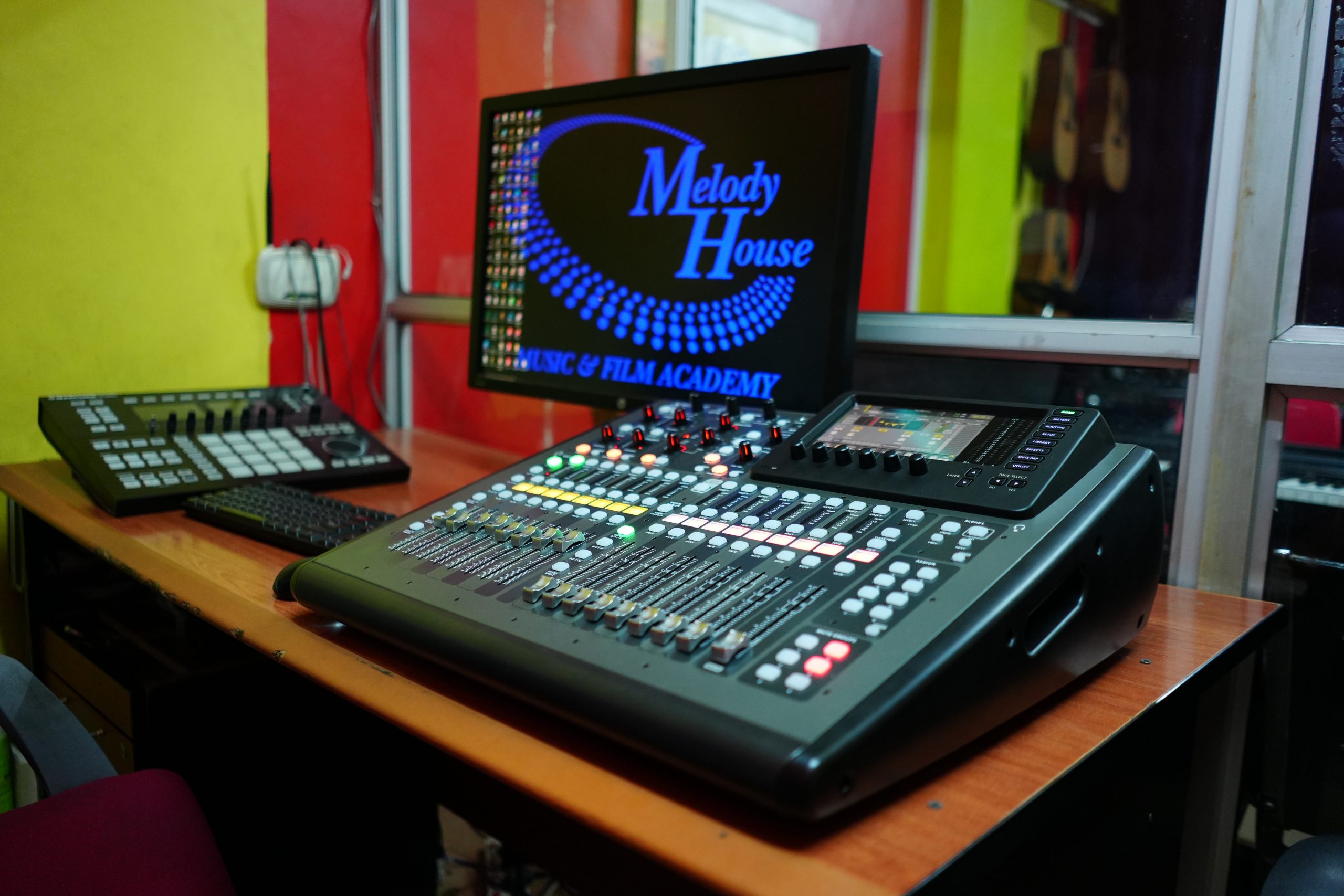
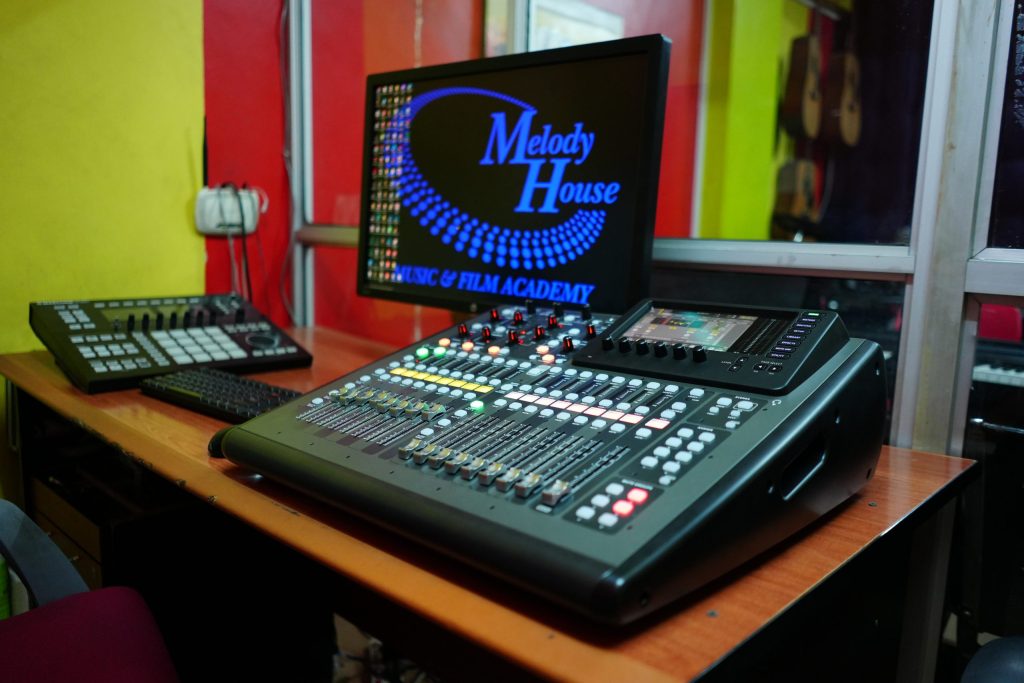
Mastering digital console navigation, operating layers, and multi-channel patch-bay routing layouts in our music technology labs.
Certificate in Sound Engineering
Are you driven to master the science of acoustic architecture, studio tracking, and live sound reinforcement? The comprehensive Certificate in Sound Engineering at the Music and Film Academy is a vocational, elite-tier training program engineered to transform passionate beginners into industry-ready audio technicians, live sound crew, and studio assistants. Developed at our high-performance campus at Information House on Hakati Road, Nairobi CBD, this intensive one-year program strips away automated guesswork. We focus heavily on a skills-first, hands-on methodology where students learn to manipulate analog consoles, deploy professional microphone arrays, navigate digital audio workstations, and engineer multi-tier public address systems under real-world pressures.
Building a sustainable career in the contemporary creative economy requires practical capability rather than theoretical assumptions. Earning an accredited Certificate in Sound Engineering equips you with the industrial-grade technical competencies needed to capture, process, and mix pristine sonic assets across diverse commercial avenues. Operating under our signature 1:1 student-to-gear training framework within specialized music technology labs, you will work directly with professional signal paths, live band monitoring grids, and enterprise post-production suites. Whether your aspiration is to run front-of-house mixing desks for massive festivals, engineer acoustically isolated recording spaces, or manage technical audio setups for major corporate clients, this program provides a definitive gateway into the industry.
Why Choose an Accredited Audio Technology Program?
Modern audio hardware and production applications are highly accessible, but true engineering mastery demands a deep understanding of electrical signal flow, wave physics, color calibrations, and acoustic calculations. A structured, hands-on technical curriculum ensures you can predict electrical loads, eliminate system failures, and deliver consistent broadcast-grade audio.
By developing a rich command over parametric vocal carving, system networking, and copyright infrastructures, you cultivate an authoritative, monetizable profile. If you are comparing different technical pathways or multi-disciplinary visual media options, you can explore our complete department portal for accredited sound engineering courses to see how different modules line up with your ultimate professional vision. Our dedicated directory for sound engineering courses in kenya helps you analyze short skill boot-camps alongside deep, multi-term certifications to structure your educational investment effectively.
📊 Program Overview & Fee Structure
This 1-year certification is divided into four highly focused technical terms, matching rigorous studio runtime with global vocational assessment frameworks.
Parameter
Specification
Course Duration
1 Year (4 Terms)
Tuition Fees
KES 45,000 Per Term
Study Mode & Timing
Part-Time with Flexible Weekday Shifts
Department
School of Music Technology
Vocational Milestones
Pearson BTEC Technical Assessment Architecture
Campus Location
Information House, Hakati Road, Nairobi CBD
💡 Explore Local Learning Spaces: Looking to see how our campus matches elite international standards? You can cross-reference our music technology setups with peer sound engineering schools in nairobi or browse alternative creative fields on our main hub page.
🗺️ Detailed Year-Long Curriculum Architecture
Term 1: Signal Flow, Electrical Safety & Live Sound Foundations
Mastering digital console navigation, operating layers, and multi-channel patch-bay routing layouts in our music technology labs.
Students master the absolute foundations of hardware audio paths, configuring public address systems and establishing strict electrical and physical staging safety parameters.
Core Audio Path Architecture: Mapping physical input channels from source instruments through analog stage boxes and snake lines directly to the mixing position. Mastering the console input strip including pad switches, preamp gain staging, high-pass filtering, and channel fader relationships. Configuring master stereo buses, sub-groups, matrix outputs, and physical auxiliary sends for auxiliary processing. Analyzing operational gain architecture to maximize signal-to-noise ratio while systematically preventing digital clipping. Building functional control room monitoring setups, near-field speaker alignments, and cue headphone distribution networks. Troubleshooting signal interruptions, dead lines, phase cancellations, and intermittent connectivity issues under pressure.
Live PA System Infrastructure: Analyzing the components of commercial PA setups including passive systems, active enclosures, and line-array columns. Configuring external active crossovers to safely separate high-frequency horn feeds from low-frequency subwoofer drivers. Matching amplifier output wattages and impedance ratings (ohms) to loudspeaker power requirements to protect equipment. Deploying industry-standard dynamic microphones, condenser options, and active/passive Direct Injection (DI) boxes on stage. Executing physical loudspeaker placement angles to optimize coverage patterns and reduce acoustic dead zones in a room. Conducting basic line-checks and pink-noise room testing to verify the frequency response of a deployed PA setup.
Digital Console Navigation & Operating Layers: Executing complete system boot-ups, local input/output initialization, and digital patch-bay routing configurations. Navigating multi-layer fader setups, soft-key assignments, and dedicated channel select control strips. Managing internal digital assets including onboard parametric equalizers, graphic EQs, and internal effects racks. Configuring user-defined mute groups, DCA (Digitally Controlled Amplifier) groups, and master VCA control architectures. Creating, saving, and recalling localized scene files, show templates, and channel strip presets for multi-band events. Linking tablets and mobile devices via dedicated local Wi-Fi networks for remote stage mixing and monitoring control.
Cabling Infrastructure, Connectors & Electrical Safety: Soldering and repairing industry-standard connections including XLR balanced lines, TRS quarter-inch jacks, and TS speaker cables. Mapping internal wiring diagrams for balanced audio lines vs unbalanced configurations to prevent electromagnetic interference. Utilizing heavy-duty Speakon connectors for secure, high-current amplifier-to-speaker cabinet linking systems. Calculating total electrical load draws on single-phase circuits to completely eliminate breaker trips during live showcases. Diagnosing and eliminating dangerous ground-loop hums using ground-lift switches and isolated power conditioners. Implementing strict venue safety protocols regarding clean cable runs, protective rubber matting, and proper gear hoisting.
Term 2: Studio Tracking, Microphones & Analog Signal Processing
This term transitions into the recording studio environments, engineering multi-track audio sessions, acoustic isolation parameters, and physical dynamics gear.
Precision Microphone Applications & Stage Physics: Matching specific microphone polar patterns (cardioid, omnidirectional, figure-8) to specific instruments for optimum isolation. Executing close-miking techniques on acoustic drums, electric guitar cabinets, and acoustic instruments for maximum punch. Deploying stereo miking techniques including spaced pairs and coincident pairs to capture realistic acoustic width. Managing physical stage feedback loops through strategic microphone capsule placement relative to live monitor wedges. Implementing proximity effect compensation adjustments when working with vocalists who perform close to the grille. Maintaining acoustic isolation between multiple live performers tracking simultaneously within a single studio space.
Multitrack Recording & DAW Session Architecture: Initializing multi-channel recording projects within professional digital audio workstations at industry-standard sample rates. Building low-latency custom headphone cue mixes for individual musicians using hardware auxiliary distribution racks. Managing simultaneous multi-mic tracking sessions for full drum kits, bass lines, and guide vocal tracks cleanly. Executing non-destructive digital editing workflows including precise region trimming, crossfades, and take comping. Implementing organized session folder protocols, clear track color-coding, and strict asset naming conventions. Creating secure multi-drive project backups, cloud archive uploads, and complete session export packages for external mixing.
Frequency Modulation & Parametric Equalization: Identifying target problem frequencies across the audible spectrum from low-end rumble to harsh high-frequency sibilance. Deploying high-pass and low-pass filters to clean out low-end mud and unnecessary top-end hiss from individual tracks. Utilizing parametric equalizer controls including variable frequency selection, gain cut/boost, and bandwidth (Q factor). Applying surgical equalization cuts to eliminate boxiness, room resonances, and muddy overlapping frequencies in instrument families. Implementing broad, musical shelving curves to add brightness to vocal tracks and foundational weight to bass elements. Comparing pre-EQ and post-EQ signals using level-matched true A/B testing methodologies to verify tonal improvements.
Dynamic Range Control & Hardware Processing: Configuring hardware noise gates to eliminate leakage on tom-tom mics and background noise on vocal tracks. Adjusting compressor threshold levels, ratio configurations, and attack/release timings to smoothly control vocal dynamics. Applying makeup gain parameters to maintain consistent average signal levels without altering peak volume limits. Utilizing fast-acting limiters on master output buses to catch erratic transients and prevent digital distortion loops. Implementing serial compression chains for smooth, transparent control over highly dynamic acoustic vocal performances. Analyzing gain reduction meters to ensure processing tools are applied cleanly without introducing pumping artifacts.
Term 3: Stage Monitoring, Podcast Production & Audio Law
Students develop professional competencies in corporate audio delivery channels, independent broadcast arrays, and local creative business statutes.
Monitor Wedge & In-Ear Engineering: Configuring independent auxiliary sends in pre-fader mode to create dedicated mixes isolated from the main room faders. Tuning stage monitor wedges using 31-band graphic equalizers to maximize gain-before-feedback on a live stage. Setting up wireless in-ear monitor (IEM) transmitters, bodypack receivers, and managing local RF frequency scans. Balancing custom stereo monitor profiles for multiple band members focusing on click tracks and pitch references. Managing safe stage decibel exposures by implementing strict output limiters on personal monitor distribution loops. Managing rapid on-stage communication systems with musicians during live performances using dedicated talkback channels.
Voice-Over & Multi-Microphone Podcast Production: Configuring acoustically isolated vocal booths with pop filters to capture ultra-clean, broadcast-ready voice-overs. Setting up multi-microphone podcast tables utilizing specialized high-output dynamic broadcast microphones. Applying automated downward expanders and auto-mixing algorithms to suppress ambient noise from inactive mics. Executing comprehensive speech editing protocols including the removal of mouth clicks, heavy breaths, and filler words. Mastering vocal leveling workflows using target speech compression settings and loudness normalization modules. Formatting final export assets to targeted MP3 and WAV distribution configurations complete with integrated ID3 metadata.
Creative Mixdown Stereophony & Spatialization: Balancing static volume relationships across multi-track sessions to establish a clear hierarchy of musical elements. Utilizing the stereo pan pot to position instruments across the left-to-right field, creating space and separation. Integrating time-based effects including short delays and room reverbs to add depth and dimension to dry signals. Automating volume faders and pan configurations across different song sections to add movement and impact. Grouping instrument sections into dedicated mix stems to allow for simplified global control over complex arrangements. Bouncing down final completed projects into high-resolution stereo master files free of clicks, pops, or digital clips.
Copyright Frameworks & Audio Asset Regulations: Navigating the legal registration frameworks of the Kenya Copyright Board (KECOBO) for original sound recordings. Analyzing standard mechanical licensing, performance rights, and synchronization structures for commercial media use. Understanding the legal distinctions between work-for-hire studio sessions and retaining underlying master rights ownership. Crafting standard commercial studio release agreements, non-disclosure contracts, and professional production credits. Managing safe sampling protocols, clearing commercial loops, and utilizing royalty-free audio element libraries legally. Structuring digital metadata fields within master audio files to guarantee correct tracking across streaming distribution platforms.
Term 4: Practical Capstone, Industry Portfolios & BTEC Milestone
The final term is dedicated to real-world deployment, technical defense examinations, and achieving international vocational verification benchmarks.
Live Venue Engineering Practicums: Loading, transporting, and unboxing professional live sound gear safely within a designated campus showcase venue. Flying line-array elements or stacking mid-high cabinets onto subwoofers safely using correct physical rigging hardware. Patching stage lines through digital stage boxes, running multi-channel snakes, and organizing all cable lines cleanly. Conducting comprehensive system soundchecks for live musical ensembles, dealing with multi-instrument setups in real-time. Mixing FOH audio live for an active audience, managing unexpected level shifts, and keeping venue decibels balanced. Executing systematic event tear-downs, wrapping cables using the over-under method, and packing road cases securely.
Independent Studio Tracking Portfolios: Managing a complete studio production timeline from empty room setup to final high-resolution stereo mixdown delivery. Communicating professionally with live musical clients, setting up instrument stations, and managing tracking comfort. Engineering multi-microphone captures of acoustic drum setups, bass instruments, guitars, and clean lead vocal layers. Performing advanced digital editing tasks including tempo matching, pocketing rhythms, and tuning vocal tracks manually. Presenting a commercially competitive stereo mixdown that meets modern sonic profiles for balance and clarity. Defending creative engineering decisions, microphone choices, and signal path configurations before a panel of instructors.
Vocational Milestone & Capability Verification: Compiling a comprehensive digital portfolio showcasing high-resolution session screenshots, wiring charts, and final audio files. Documenting completed technical hours across tracking, mixing, live sound setup, and corporate event management roles. Undertaking rapid hardware troubleshooting tests including tracing broken signals and repairing patch errors against a clock. Evaluating personal mixes against established commercial reference tracks using spectrum analyzers and phase meters. Formatting standard professional resumes, freelance rate cards, and technical engineering profiles for local market entry. Completing peer-review evaluations and mock studio client feedback sessions to build workplace communication skills.
Pearson BTEC Technical Assessment Infrastructure: Reviewing student portfolios against specific internationally recognized Pearson BTEC vocational performance criteria. Completing set practical engineering challenges under the direct observation of certified internal and external verifiers. Generating comprehensive technical reports detailing system setups, equipment manifests, and structural safety blueprints. Verifying advanced understanding of core audio principles through specialized practical design and deployment challenges. Finalizing all digital asset collection folders to secure verified global qualification credentials for the industry. Participating in the academy exit interview process to clear technical competency benchmarks for official graduation.
💼 Career Paths & Industry Opportunities
Graduating with a Certificate in Sound Engineering provides you with rigorous, cross-functional skill sets that are highly valued across international broadcast stations, music festivals, live theaters, and corporate events:
1. Live Sound Technician / Audio Crew
The Role: Rigging, configuring, and monitoring massive sound reinforcement platforms for outdoor concerts, festivals, and public gatherings. You will patch active crossovers, calculate load balancing, map speaker distribution matrices, and maintain system stability.
Primary Industries: Event management firms, live production houses, touring companies, and massive performance spaces.
2. Studio Assistant / Tracking Engineer
The Role: Organizing recording environments, managing microphone select pipelines, running multi-channel recording setups, and delivering clean, non-destructive digital assemblies inside professional DAWs.
Primary Industries: Commercial music studios, game design production houses, and elite recording laboratories.
3. Corporate A/V (Audio-Visual) Specialist
The Role: Commanding multi-microphone podcast spaces, real-time live video streaming sound feeds, and complex corporate sound deployments for boardrooms, hotels, and institutional keynotes.
Primary Industries: Multinationals, premium hospitality groups, digital media hubs, and content agencies.
4. Monitor Engineer / Stage Assistant
The Role: Building and managing specialized pre-fader auxiliary monitor mixes for performing bands. You will configure wireless in-ear monitor (IEM) RF frequencies and tune floor stage wedges to prevent hazardous feedback loops.
Primary Industries: Professional live bands, event production houses, and theatrical productions.
5. Audio Equipment System Technician
The Role: Executing technical maintenance on critical electronic infrastructure, soldering custom balanced wiring assemblies, managing digital patch-bay routing tracks, and diagnosing ground-loop failures.
Primary Industries: Equipment distribution hubs, rental houses, and multi-facility churches.
📋 Course Eligibility & Admission Thresholds
To preserve our rigorous 1:1 student-to-gear training methodology, all prospective applicants must satisfy the following baseline entry pathways:
1. Academic Qualifications
KCSE Candidates: A minimum mean grade of D (Plain) or above in the Kenya Certificate of Secondary Education (KCSE).
Alternative Qualifications: Completion of a relevant Artisan Certificate (KNQA Level 4) from a recognized technical institution, or an equivalent vocational training qualification.
International Students: High school certificate credentials officially verified and recognized by the Kenya National Qualifications Authority (KNQA).
2. Core Aptitudes & Recommended Background
Analytical Aptitude: While not an elimination path, a passing mark or baseline understanding of Mathematics or Physics is highly recommended due to the acoustic tracking equations, system load calculations, and electrical safety formulas required.
Basic Digital Literacy: Established comfort using desktop computing systems (copying files, file path mapping, keyboard shortcuts) is highly crucial, as the curriculum dives intensely into professional DAWs by Term 2.
3. Registration Assets Checklist
Trainees cleared for technical processing must submit the following items to the administration office:
A fully filled Music and Film Academy Application Form.
Certified copies of your KCSE Result Slip or official Certificate.
A copy of the applicant’s National ID Card or Passport (or guardian’s ID if under 18 years).
Two recent passport-sized color photographs.
⚠️ Enrollment Capping Note: To enforce our technical 1:1 student-to-workstation boundaries and guarantee absolute runtime with premium mixing consoles, seats per cohort are strictly limited. Admissions operate strictly on a first-come, first-served basis.
❓ Frequently Asked Questions
Which specific digital and analog platforms will I master in this program?
You will build complete operational fluency across industry-standard large-format analog consoles, multi-layer digital mixing boards, and professional digital audio workstations (DAWs). The program focuses intensely on signal flow rules and processing matrices that translate universally to any hardware array globally.
What is the Pearson BTEC vocational milestone?
The Music and Film Academy integrates internationally recognized Pearson BTEC assessment frameworks. Your practical projects, design blueprints, and portfolio tracking hours will be verified by internal and external certified verifiers, ensuring your qualification carries definitive global marketability.
Is there a danger of keyword cannibalization with video editing programs?
No. While our department falls under the School of Visual Arts and School of Music Technology framework, this landing page is optimized specifically around sound engineering, wave acoustics, electrical safety, and music production pipelines. This technical separation keeps your search footprint clean and distinct from video editing trajectories.