Phone:
+254 719 428 550
Physical address:
Information House, Hakati Road,
Nairobi, Kenya.

Phone:
+254 719 428 550
Physical address:
Information House, Hakati Road,
Nairobi, Kenya.
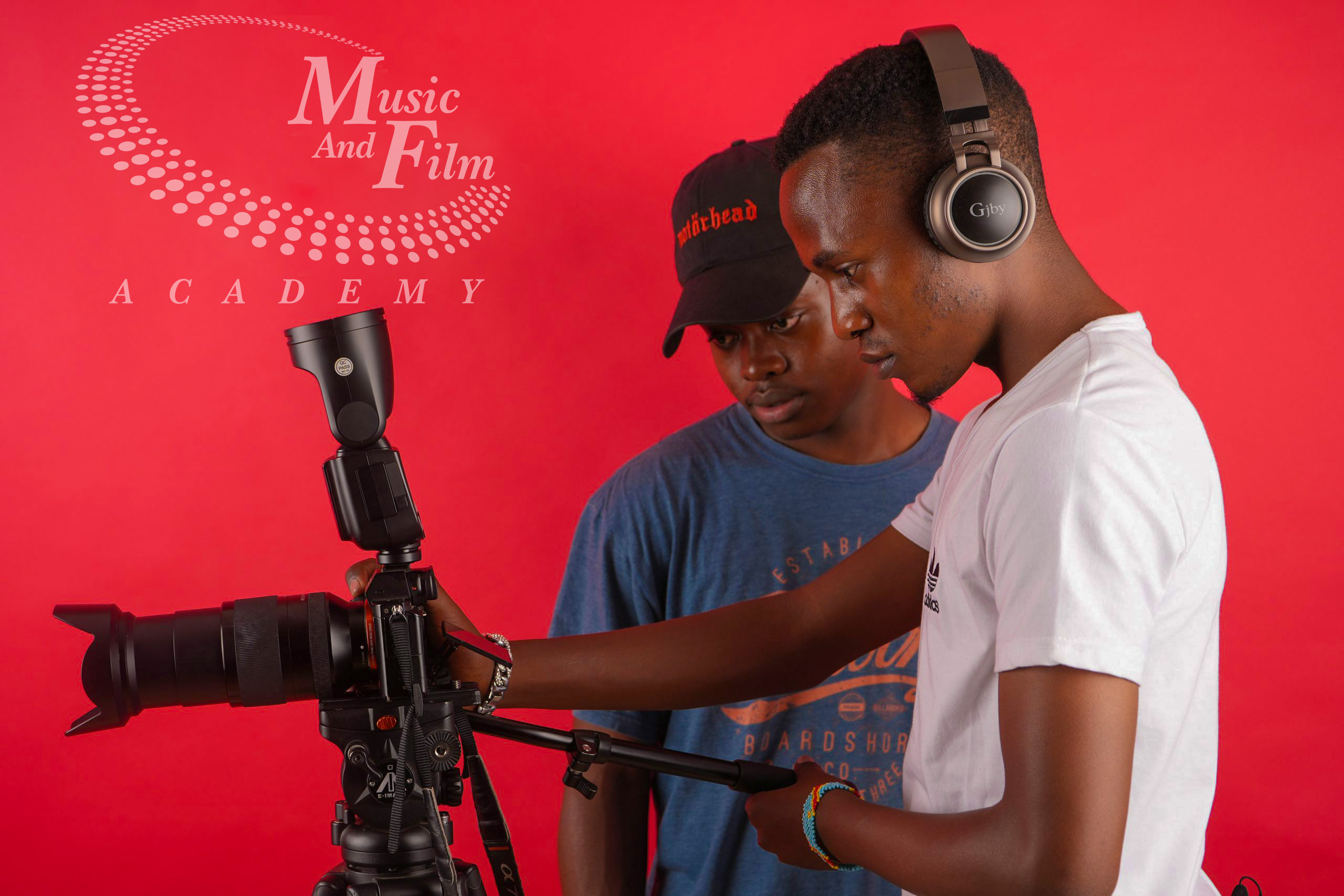
Stepping into the dynamic world of motion picture production requires an intense appreciation for sensory balance. For many emerging creators across East Africa, the initial instinct when launching a production workflow is to invest heavily in expensive camera bodies, cinema lenses, and high-resolution recording formats. However, a major mistake made by amateur content creators is ignoring the auditory experience. In the commercial media landscape, understanding how to capture crisp audio for filmmakers is the defining factor that separates high-end corporate campaigns from cheap, unwatchable online video clips. Audiences will willingly sit through a visually compromised 1080p video if the narration is clear and clean, but they will completely abandon a stunning 4K master file within seconds if the sound is plagued by distortion, hiss, or overwhelming environmental noise.
Navigating the local production ecosystem introduces distinct sonic hurdles that demand rigorous technical solutions. From tracking dialogue across loud urban environments like the Nairobi Central Business District (CBD) to managing unpredictable windy conditions during outdoor corporate shoots, your microphone selection shapes your entire brand identity. To move past basic consumer productions, you must demystify how different microphone polar patterns operate, master the structural trade-offs between wireless and directional gear, and build the technical reflexes required to secure pristine recordings under intense real-world constraints.
When you rely on the internal microphone preamps built directly into your DSLR or mirrorless camera body, you are actively introducing technical degradation into your project’s audio track. Camera manufacturers design internal systems primarily for visual processing, leaving audio components as an administrative afterthought. These tiny built-in capsules lack the directional isolation required to separate human voices from peripheral ambient noise, resulting in a thin, hollow sound that feels distant and unprofessional.
Furthermore, internal camera amplifiers naturally generate high levels of systemic noise floor hiss when forced into high-gain settings. As your subject speaks, the internal auto-gain control (AGC) will aggressively pump the volume up and down, accidentally amplifying the mechanical whirring of your lens autofocus motor and the ambient hum of room acoustics. To establish a legitimate commercial production standard, creators must deploy external recording solutions, bypass automated tracking, and position dedicated microphones as close to the sound source as physically possible to maintain a pristine signal-to-noise ratio.
When planning a commercial interview setup or a documentary street shoot within downtown Nairobi, your physical location dictates your choice of audio capture gear. Directional shotgun microphones and clip-on wireless lavalier systems utilize completely different physical architectures to isolate dialogue in high-pressure situations:
Moving your production set outdoors for a corporate promotional video or a high-profile documentary feature instantly exposes your audio track to wind distortion. Even a gentle breeze hitting an unprotected microphone capsule generates low-frequency turbulence that overloads the sensor’s preamps, resulting in harsh, clipped audio distortions that cannot be repaired inside post-production editing software.
To protect your files during demanding outdoor shoots, you must abandon basic foam wind covers and utilize specialized multi-layered acoustic wind protection:
Understanding the operational differences between various microphone systems is simply the first step toward visual success. True mastery of the medium requires developing a deep appreciation for the entire post-production pipeline—learning how to balance dialogue tracks, design immersive ambient soundscapes, and clean up environmental imperfections using professional digital audio workstations. For creators looking to establish a sustainable career, enrolling in dedicated videography courses provides the necessary practical structure to turn basic gear knowledge into highly competitive industrial skills.
Comprehensive media programs allow students to step away from generic online tutorials and step into advanced soundproofed studio environments. By practicing on industry-standard recording gear under the guidance of veteran media professionals, you quickly learn how to manage gain staging, control the proximity effect, and run complex post-production mixing workflows. Whether your eventual goal is to produce commercials for regional brands or direct feature films, specialized hands-on videography courses in kenya provide the structural foundation needed to command premium corporate rates across East Africa’s rapidly expanding creative economy.
As the regional digital media landscape continues to professionalize, the dividing lines between independent creative fields are completely disappearing. Modern production houses, corporate agencies, and international organizations no longer look for simple camera operators; they demand multi-disciplinary media professionals who possess a deep technical understanding of both visual storytelling and pristine audio capture.
By prioritizing the mechanics of clean acoustic tracking and mastering the art of sound design, you instantly place your brand far ahead of the competition. Invest the time to study how sound behaves, protect your files from environmental noise, and commit to continuous technical education. When you combine your unique creative voice with rigorous, accredited instruction through premium photography and videography courses at the Music and Film Academy, you build a powerful, high-performance career portfolio that commands absolute respect across the entire media sector.
For storytellers who want to move past basic commercial production and dive into the deep world of long-form narrative storytelling, cinematic lighting, and advanced world-building, exploring comprehensive cinematic tracks is the ultimate step forward. Check out our elite film production courses in kenya to gain direct, unrestricted access to professional studio facilities, high-end equipment cages, and veteran masterclasses designed to launch your filmmaking career with absolute confidence.