Phone:
+254 719 428 550
Physical address:
Information House, Hakati Road,
Nairobi, Kenya.

Phone:
+254 719 428 550
Physical address:
Information House, Hakati Road,
Nairobi, Kenya.
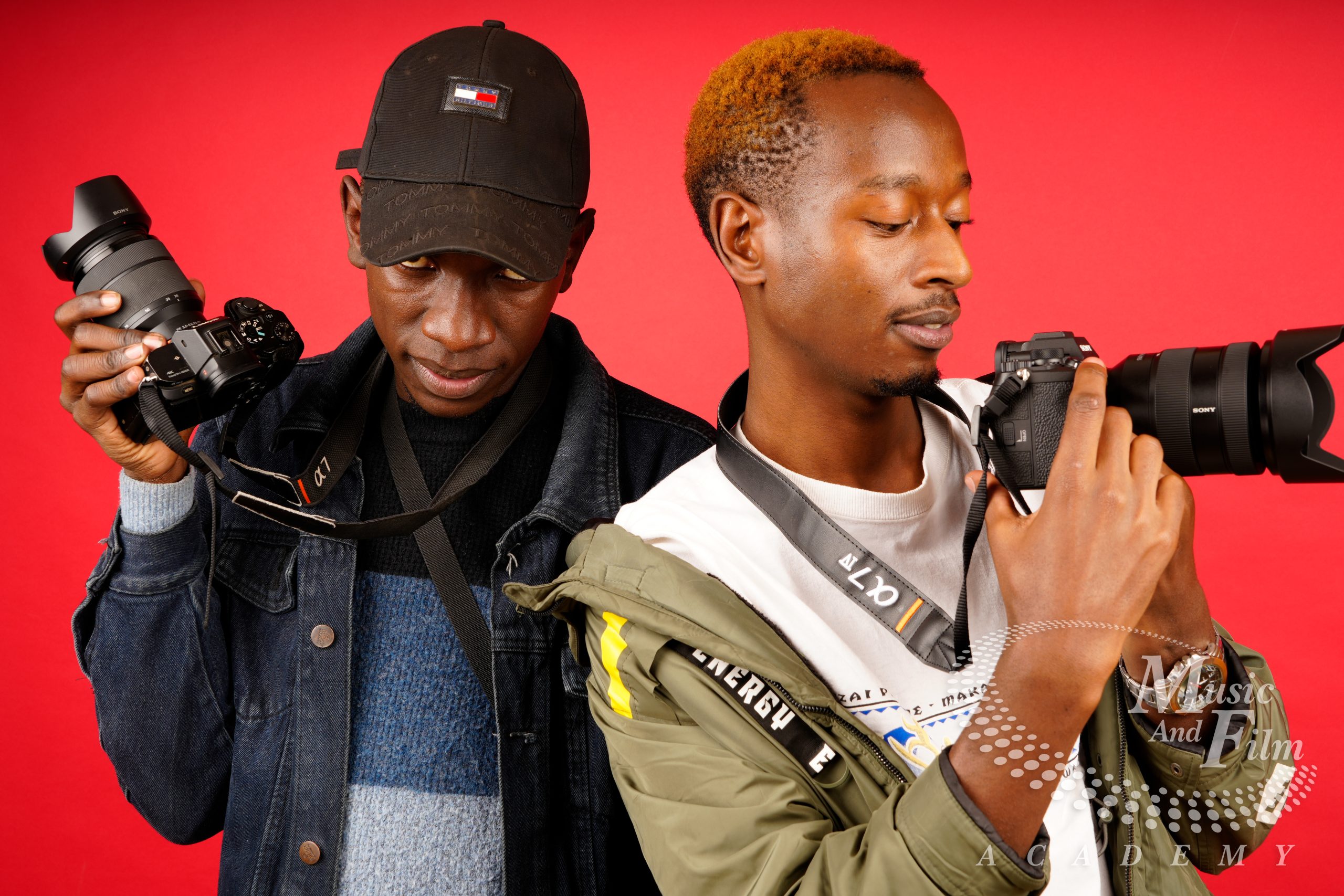
Stepping into the fast-paced world of event documentation requires more than just a high-resolution camera body; it demands an intimate understanding of optical physics and real-world gear configuration. For emerging creators seeking professional photography courses in kenya, learning how to manipulate field of view, spatial compression, and light gathering power is the definitive baseline for commercial success. Choosing between prime vs zoom lenses demands an intimate understanding of optical physics and real-world gear configuration. At the heart of this technical mastery lies the concept of focal length—the distance between the optical center of your lens and the camera’s digital image sensor when focused at infinity. Choosing the incorrect focal range can mean the difference between capturing a crisp, emotionally resonant moment at a high-profile corporate gala or walking away with missed focus and unusable, blurry frames.
Navigating the local event landscape introduces distinct creative and environmental variables. From tracking erratic movement across low-light reception halls in the Nairobi Central Business District (CBD) to balancing harsh mid-day sunlight during outdoor portrait sessions, your choice of glass shapes your entire portfolio. To move away from the restrictive limitations of basic auto-mode shooting, you must demystify technical lens markings, master the functional trade-offs between prime and zoom elements, and build the physical reflexes required to execute precise compositional framing under immense pressure.
Before stepping onto a live production set, a photographer must effortlessly read the structural data etched onto any lens barrel. The numerical figures listed in millimeters (mm) do not indicate the physical length of the gear housing; instead, they define the focal classification and the resulting diagonal angle of view. A lower millimeter rating, such as 18mm or 24mm, represents a wide-angle lens that pushes elements away to capture an expansive environment. Conversely, a higher rating, such as 135mm or 200mm, indicates a telephoto lens that tightly narrows your field of view, compressing the background and bringing distant subjects visually closer to the viewer.
Understanding the difference between a fixed millimeter rating and a variable range rating is essential for maintaining operational speed. For example, comparing a fixed 50mm lens to an 18-135mm multi-purpose kit reveals two completely different internal configurations:
For decades, master instructors guiding foundational training have emphasized a singular piece of advice for upgrading an entry-level kit: invest in a cheap, ultra-versatile 50mm f/1.8 fixed lens, affectionately known globally as the “nifty fifty.” Because prime lenses do not require complex, compounding glass groups to manage variable zooming mechanisms, manufacturers can design them with incredibly wide physical apertures. This structural simplicity offers distinct advantages for specific event environments.
Consider an afternoon portrait shoot with a client amidst the lush, natural backdrops of Uhuru Park. Deploying a wide-aperture prime lens allows you to dial your aperture setting down to f/1.8 or f/2.2. This mechanical expansion drops your depth of field down to fractions of an inch, melting away distracting backgrounds, park pedestrians, and distant city structures into a smooth, creamy blur known as bokeh. Furthermore, because fewer glass elements separate the subject from the sensor, prime lenses suffer significantly less from internal reflections and chromatic aberration—the annoying color-fringing artifact that often plagues cheap variable zooms along high-contrast edges.
Beyond aesthetics, the wide aperture of a prime lens serves as a critical exposure tool when working inside low-light urban venues across Nairobi. When indoor ambient light levels plummet, a zoom lens limited to a maximum aperture of f/5.6 forces the camera to dramatically raise its ISO setting, introducing destructive digital noise into the skin tones of your subjects. A prime lens opening up to f/1.8 allows massive amounts of physical light to flood the sensor naturally, keeping your images incredibly sharp, clean, and commercially viable without requiring aggressive external speedlight intervention.
While prime lenses deliver unrivaled optical purity, they introduce a distinct physical constraint: you must mechanically “zoom with your feet” to recompose a shot. In high-pressure, unscripted environments like fast-paced wedding setups, corporate product launches, or live political press briefings, moving physically closer to your subject is often structurally impossible or highly disruptive to the event flow. This is where modern variable zoom systems become completely indispensable.
Picture documenting a traditional Kenyan wedding ceremony. Within a span of less than sixty seconds, you may need to capture an ultra-wide atmospheric shot of the entire church altar, pivot to a medium profile of the parents’ emotional expressions, and instantly secure a tight, close-up macro detail of the ring exchange. Attempting to execute this using fixed prime lenses would require you to constantly fumble with lens caps, swap physical bodies mid-ceremony, or risk exposing your camera’s internal sensor to invasive environmental dust.
A variable zoom lens like an 18-135mm or a professional 24-70mm f/2.8 eliminates these operational bottlenecks entirely. With a simple twist of the wrist, you can adapt instantly to evolving human actions. This structural agility ensures you never miss a critical, fleeting milestone due to gear limitations. While a zoom lens may not offer the extreme background separation of a dedicated prime, its ability to compress space at higher focal ranges (like 85mm to 135mm) still provides beautiful subject isolation while granting you absolute spatial control over the entire venue.
Choosing between a prime and a zoom lens is never about finding the “perfect” piece of glass; it is about accurately matching your tool to the specific operational constraints of your production environment. For emerging visual artists, trying to figure out these complex spatial relationships through unguided trial and error on high-paying commercial sets can lead to costly reputational damage. True mastery requires a systematic learning environment where you can test theories, analyze optical failures, and build deep muscle memory.
Enrolling in structured, hands-on photography courses in Nairobi provides the exact industrial framework needed to confidently bridge the gap between technical camera theory and split-second creative execution. Immersive educational programs allow students to step away from generic online video tutorials and work inside physical, state-of-the-art studio spaces equipped with high-end corporate gear arrays. By practicing on dedicated academy kits under the direct supervision of veteran industry mentors, you quickly learn how different focal lengths compress facial features, how crop-sensors alter your effective field of view, and how to accurately calculate your working distance for any venue layout.
Furthermore, comprehensive technical instruction forces you to master the business and creative principles that drive the modern media economy. A truly well-rounded visual professional must understand how composition geometry, lighting layouts, and advanced post-production editing software interact to create a cohesive brand identity. Whether your goal is to launch an independent event studio in the heart of the CBD, capture international documentary features, or work as a lead creative director for major corporate agencies, formal training provides the vetted credentials and industry-standard portfolio reviews required to command premium commercial rates.
As you chart your long-term career path within Kenya’s rapidly expanding digital media sector, your equipment acquisition strategy should mirror your evolving creative needs. For absolute beginners, starting your journey with a versatile, wide-range zoom lens allows you to explore multiple creative niches, test various focal lengths, and discover whether your true passion lies in expansive street documentation, tissue portraiture, or fast-paced commercial sport shooting. Once you discover your unique creative voice, you can strategically supplement your gear bag with specialized prime lenses to elevate your low-light capabilities.
Ultimately, your camera lenses are simply sophisticated extensions of your foundational creative vision. High-end glass will never compensate for poor composition, mismanaged ambient light, or a lack of professional client communication skills. By combining deliberate, informed gear investments with the rigorous technical discipline offered through comprehensive photography courses, you position yourself to build a highly successful, resilient creative business.
For creators eager to truly professionalize their passion and gain comprehensive mastery over both the camera and the editing suite, exploring holistic, multi-disciplinary educational tracks is the ultimate step forward. Discover the full range of industry-aligned photography and videography courses in Kenya to gain hands-on access to top-tier equipment cages, soundproofed production studios, and expert mentorship designed to launch your commercial media career with absolute confidence.