Phone:
+254 719 428 550
Physical address:
Information House, Hakati Road,
Nairobi, Kenya.

Phone:
+254 719 428 550
Physical address:
Information House, Hakati Road,
Nairobi, Kenya.
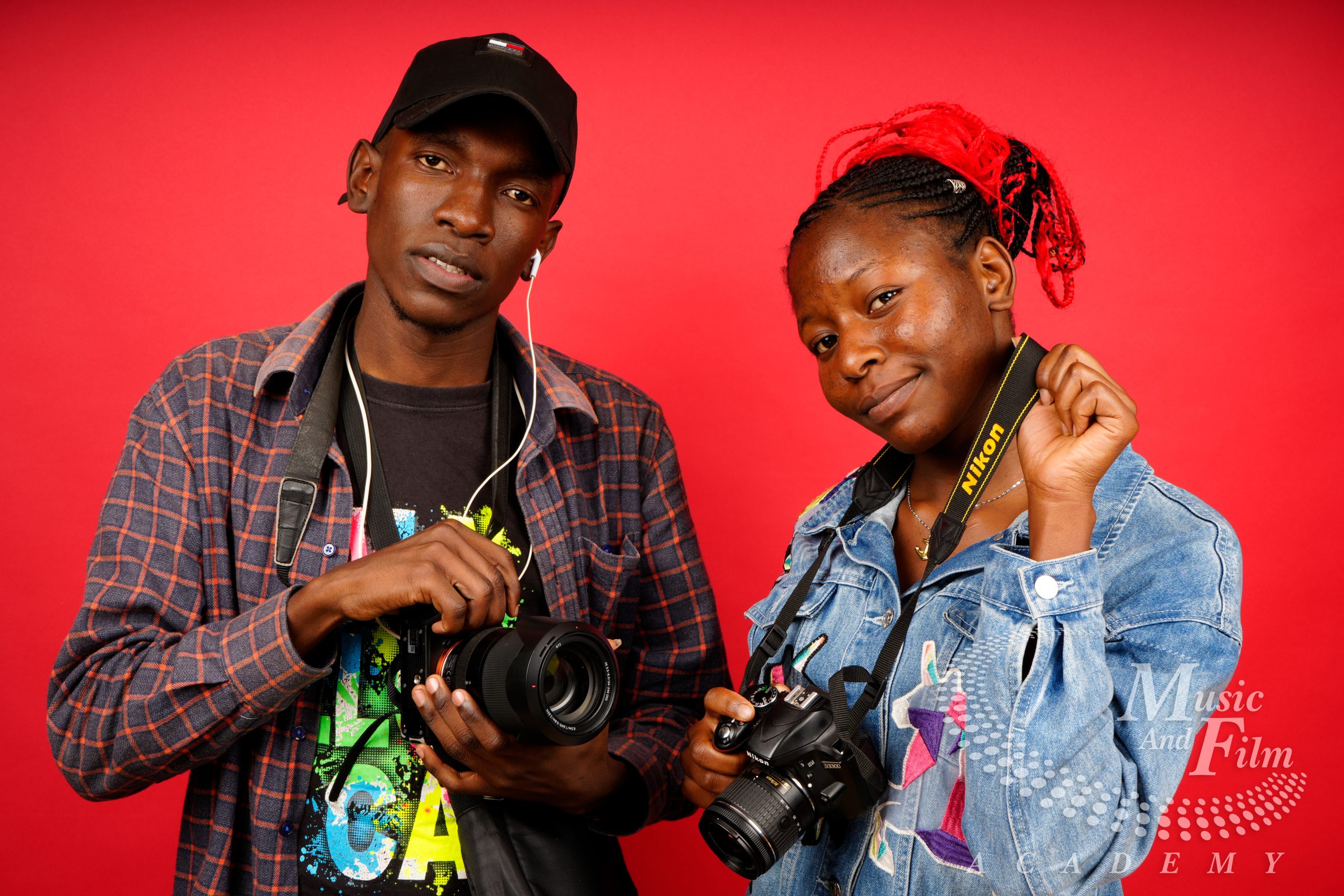
Stepping into the world of professional imaging is an exhilarating move, but it often starts with a single, daunting question: “What camera should I buy?” For those currently researching Photography Courses in Kenya, the choice of equipment is the first real technical hurdle. In 2026, the market is more diverse than ever, with mirrorless technology becoming the standard at our Nairobi CBD campus. However, a camera is merely a tool; the magic happens when you pair professional-grade gear with the technical discipline taught at an accredited institution.
Choosing the right starter kit isn’t just about megapixels; it’s about finding a system that grows with you as you move from basic composition to advanced commercial shoots. Whether you are navigating the busy streets of the Nairobi CBD or capturing the soft light of a Rift Valley sunset, your camera needs to handle the diverse demands of the local industry.
When you join a structured program, your equipment needs to meet certain “Baseline Standards.” At the Music and Film Academy, we emphasize that while “the best camera is the one you have,” a student camera must allow for full manual control. This is why most professional training modules require an interchangeable lens camera (DSLR or Mirrorless) rather than a simple point-and-shoot or a smartphone.
In 2026, the industry has largely shifted away from traditional DSLRs. Mirrorless cameras, like the Sony a6400 or the Canon EOS R10, offer real-time exposure previews in the viewfinder. This “Live View” technology is a game-changer for new creators, as it allows you to see exactly how your aperture and shutter speed changes affect the image before you even click the shutter—a concept we explore deeply in our foundational units.
Finding the right balance between “Affordability” and “Professional Capability” is key. Here are the top three picks currently favored by students at our School of Visual Arts.
The R50 has become a staple for those starting their journey. It is lightweight, has incredible “Eye-Tracking” autofocus, and uses Canon’s intuitive menu system.
Sony is the king of autofocus. For students interested in sports or street photography in Nairobi, the Sony “a” series is unmatched. Its compact size makes it perfect for “run-and-gun” shooting in the CBD.
Nikon’s ergonomics are often cited as the most comfortable for long shoots. The Z series provides exceptional color science, making it a favorite for those focused on landscape and nature photography.

To succeed in professional Photography Courses in Kenya, you must master the “Exposure Triangle.” These are the three settings that every beginner camera must allow you to manipulate independently.
Aperture controls the depth of field. If you want those professional “blurred backgrounds” in your portraits, you need a lens with a wide aperture (like f/1.8).
This controls how long your sensor is exposed to light. Mastering shutter speed is essential for freezing the motion of a matatu in traffic or creating smooth “light trails” along Uhuru Highway at night.
In low-light environments, like indoor events in the CBD, you will need to raise your ISO. Higher-end beginner cameras handle “noise” (grain) better at high ISO levels, which is vital for professional output.
Your tuition covers the “How,” but your kit bag needs a few more items to be “Field Ready.”
In 2026, being a photographer in Nairobi is more than just “taking pictures.” It is a business. Students who take their training seriously often specialize in one of the following high-revenue niches:
While you can learn a lot from YouTube, the creative arts require a “1:1 Gear Ratio” and hands-on mentorship. At our Information House campus, we don’t just teach you about cameras; we teach you how to become a visual storyteller.
Our curriculum is designed to move you from “Auto Mode” to “Commercial Pro” in just a few months. We provide:
Your camera choice is the first step, but your education is the final one. By combining the right gear with the most comprehensive Photography Courses in Kenya, you position yourself at the forefront of the creative economy.
At the Music and Film Academy, we believe your vision deserves the best foundation. Whether you are holding a Canon, Sony, or Nikon, our instructors are ready to help you master the frame.
Ready to turn your passion into a professional portfolio? Explore our latest intake for Photography Courses in Kenya and join the next generation of visual leaders at the School of Visual Arts.